


Different Types of Lobster Explained for Seafood Lovers
Lobster has been the star of the seafood menu for its rich flavor and tender meat. However, not all lobsters are the same. From coast to plate, different types of lobster give you unique experiences. For instance, you might have visited a restaurant and had a lobster that turned out to be tender. The next time you ordered a different one, it was somewhat firmer. If you’ve been through that, let me tell you that the chef is not to blame. It must have been the type of lobster that created a difference. Thus, once you know the difference, you’ll never order blindly again!
Table of Contents
Being a seafood lover, I know how seafood flavor and quality can change your mood! So, with all the experience of trying different lobsters at different places, I’ve got you details about the types of lobsters, with a quick flavor guide. It’ll help you choose the lobster that satisfies your taste buds.
Different Types of Lobster
Different Types of Lobster
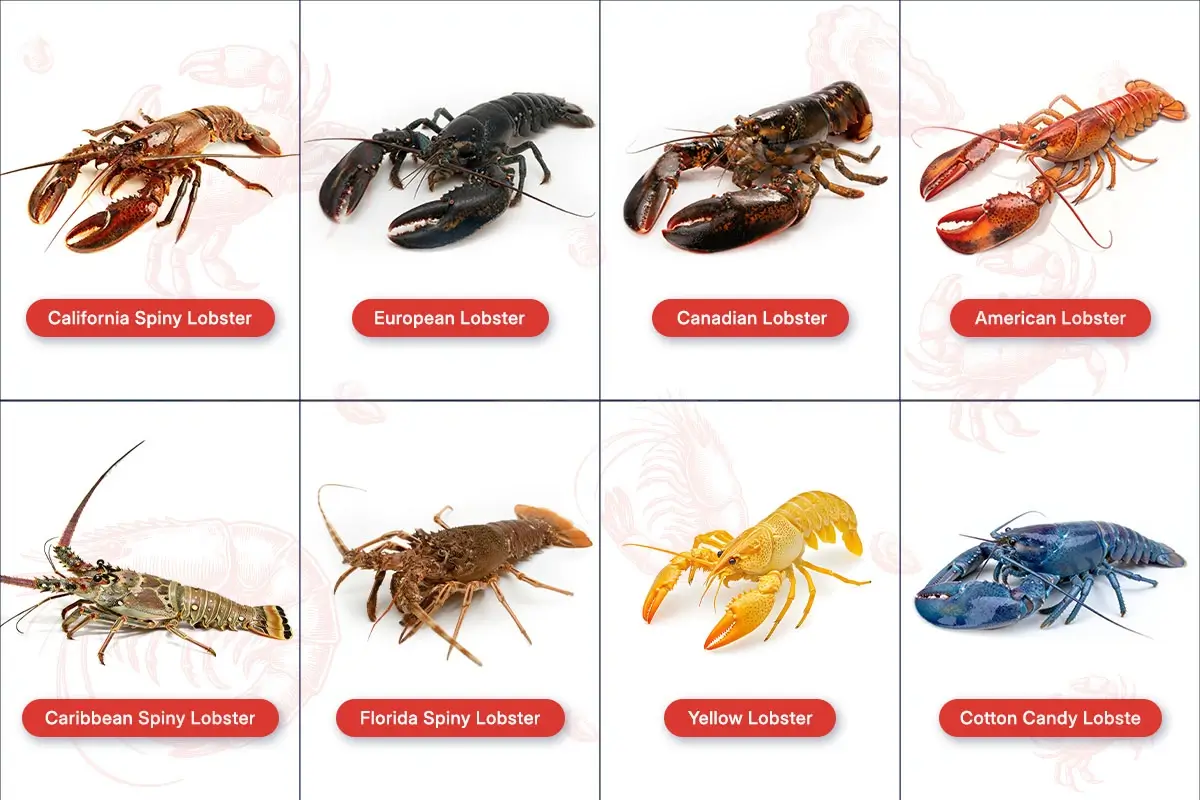
When it comes to the types of lobster, appearance isn’t the only difference! The flavor and texture vary as well, categorizing lobster into two main types: clawed lobster and spiny lobster. All the other lobsters fall under these two species types of lobster.
The key differences between these two lobsters are one’s rich taste and tender meat compared to the other’s somewhat sweeter taste and firmer bite. This isn’t it yet, as in what part of the lobster you get the most meat also differs!
The taste, texture, and meat significantly influence how lobsters should be prepared and in what dishes they’ll look tempting when served. So, whether you go for classic boiled lobster or grilled lobster tails, learning about the different types of lobster species will help you select the right one, considering the taste and cooking style.
Clawed Lobster Species
In the seafood world, clawed lobsters are the cold-water royalty! They’re rich, tasty and most fulfilling. In case you are thinking about how to distinguish them in appearance, they have two claws. One is for crushing, the other for cutting. For a fresh catch, find one in the North Atlantic, hiding and hunting on the rocky ocean floors. These lobsters aren’t known for their size only, but for rich, buttery taste and the tender meat in tail and claws.
As I mentioned before, other types of lobster fall under clawed and spiny lobster species. So, some of the clawed lobster types are:
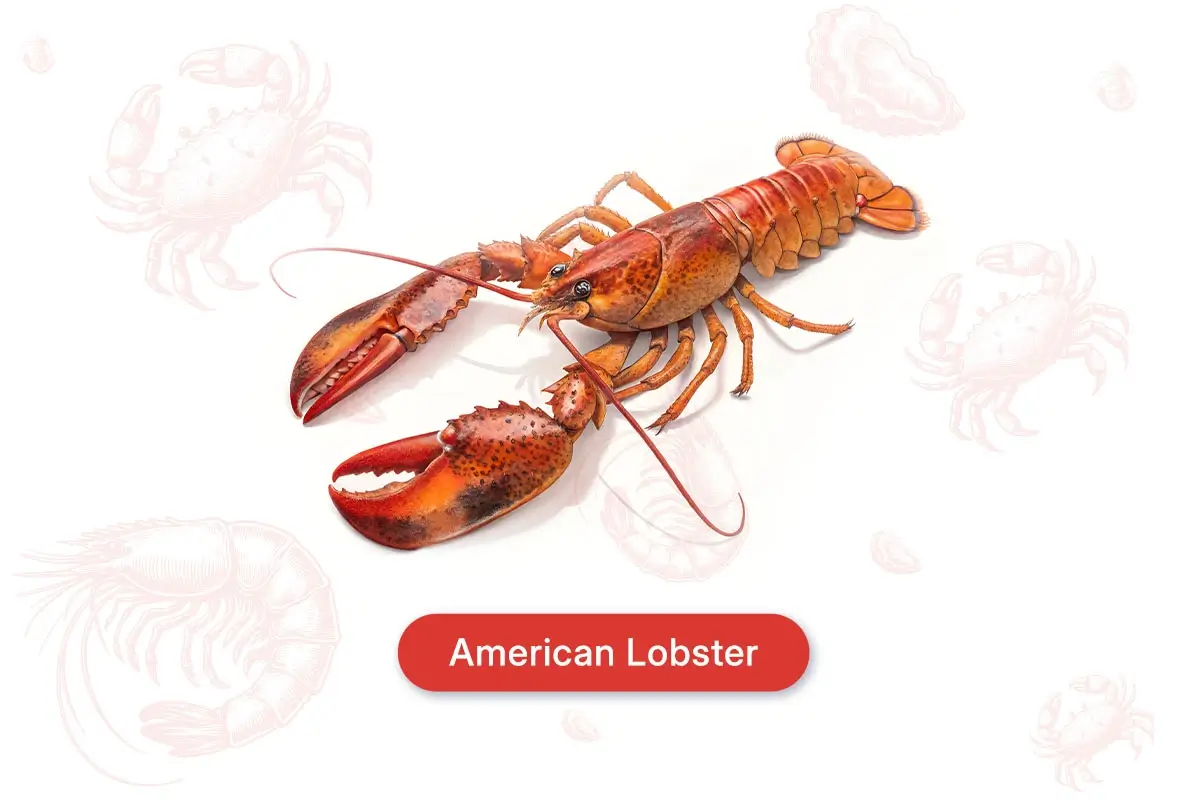
American Lobster
When I think of the classic lobster dinner, I imagine the American lobster. It is native to the East Coast of the United States, particularly Maine, for its well-known large claws and rich, buttery flavor.
- You’ll find the American lobster in cold, fresh waters, which contribute to the formation of its tender yet firm texture.
- These lobsters can be found on the menu of high-end restaurants as well as lobster shacks.
- Some of its genetic variants, like Orange lobsters, aren’t available, though, as they are rare. Instead of being sold and eaten, they are preserved at wildlife centers and aquariums.
Be it in a buttery roll or a full steamed plate, American lobster provides that melt-in-your-mouth seafood experience that makes people have the most of it.
European Lobster
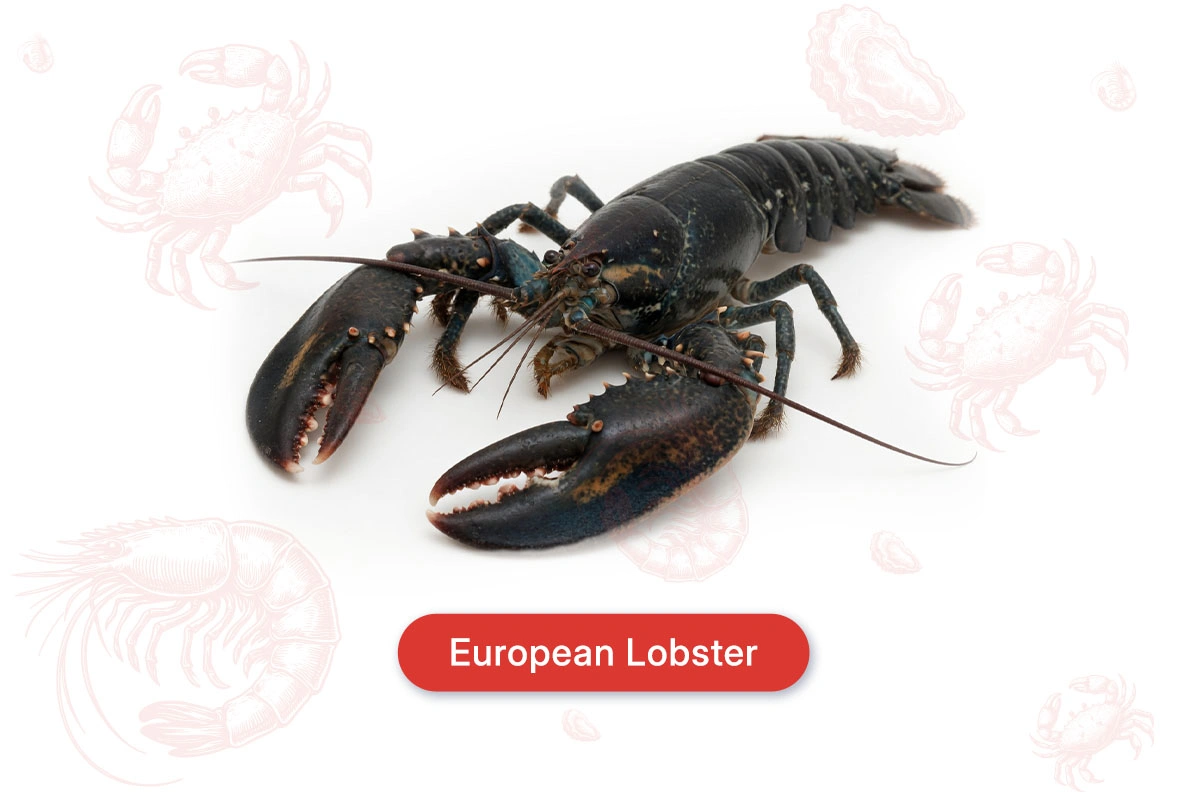
The European lobster, for me, introduced a new experience at the table! It’s more sophisticated, slightly more exclusive and is sometimes regarded as a delicacy.
- A fresh caught European lobster is found on the coasts of Europe, particularly in the Mediterranean and around the Atlantic.
- Its intense flavor makes it richer than the American lobster.
- Since it’s less popular, it’s more likely to be available at fine dining establishments.
If you feel like going for something a bit richer and special, the European lobster is certainly worth it!
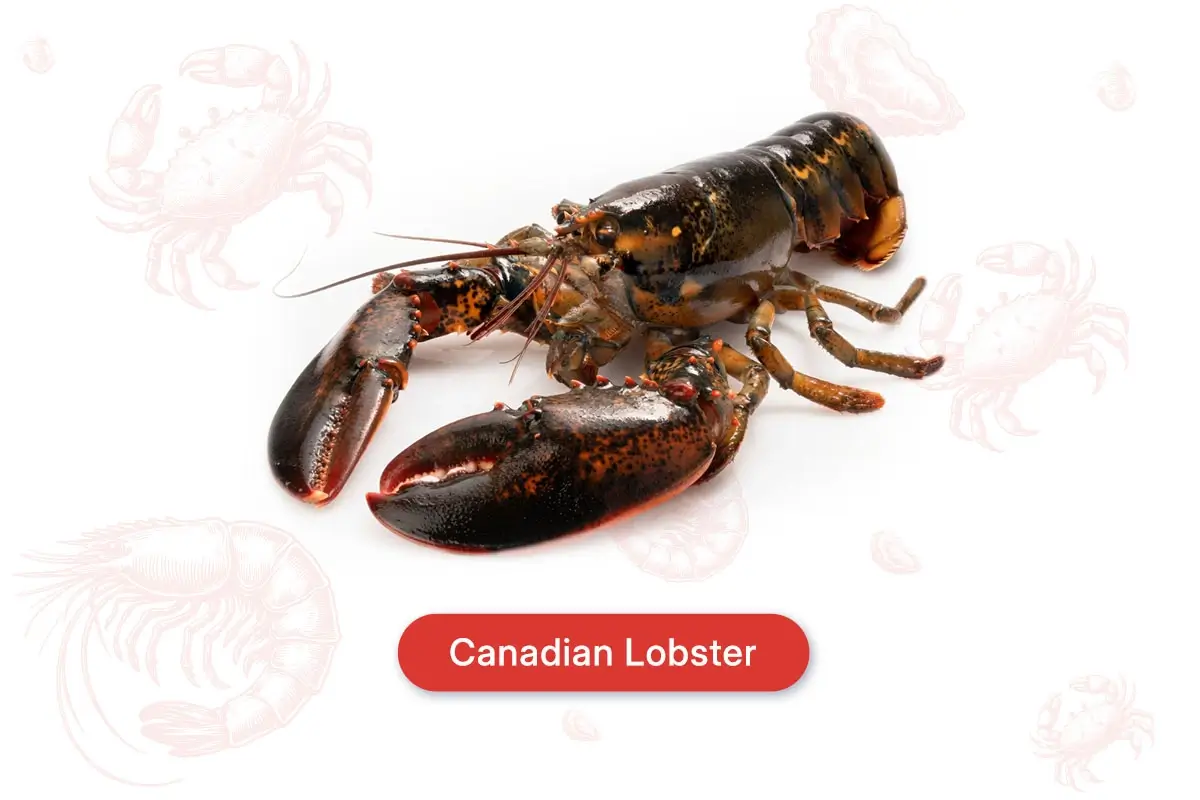
Canadian Lobster
Canadian lobster has been a popular regional variation of American lobster. It’s found in the chilly waters of the North Atlantic, especially in Nova Scotia and New Brunswick. What makes these different from the rest is that they have the added advantage of slow growth, which enhances flavor and texture.
- Its meat is soft but firm.
- The naturally sweet profile requires less dressing up.
- It is popular both locally and internationally and is usually exported to foreign markets.
I’ve had Canadian lobster in a seafood boil as well as a traditional lobster dinner; it never lets you down!
Spiny Lobster Species
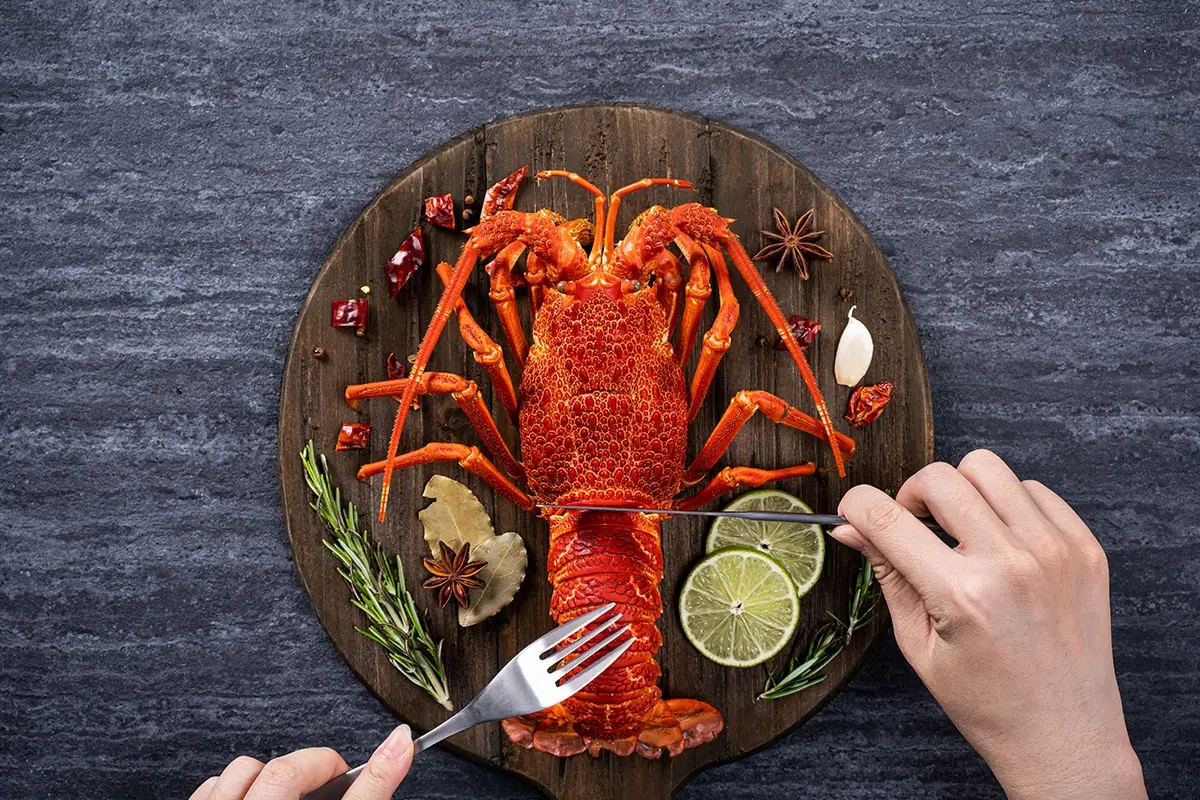
Spiny lobsters are a complete contrast to their clawed relatives! There are no huge claws on them, just a series of long antennas and a tail that is stuffed with meat and seafood lovers are unable to get enough of that.
Another thing that distinguishes them from Clawed lobster is their habitat. They are found in warmer waters and characterized by their hard texture and a slightly sweeter and cleaner flavor. Since the tail is full of meat, they are very popular to grill, broil and make seafood platters.
If you ever ate a lobster tail that was perfectly grilled in a restaurant located by the beach, it was probably a spiny lobster that added hot tropical flavor to your table! Can’t recall exactly what type it was? No worries, it may be any of the following. As you go through the details, you might know!
California Spiny Lobster
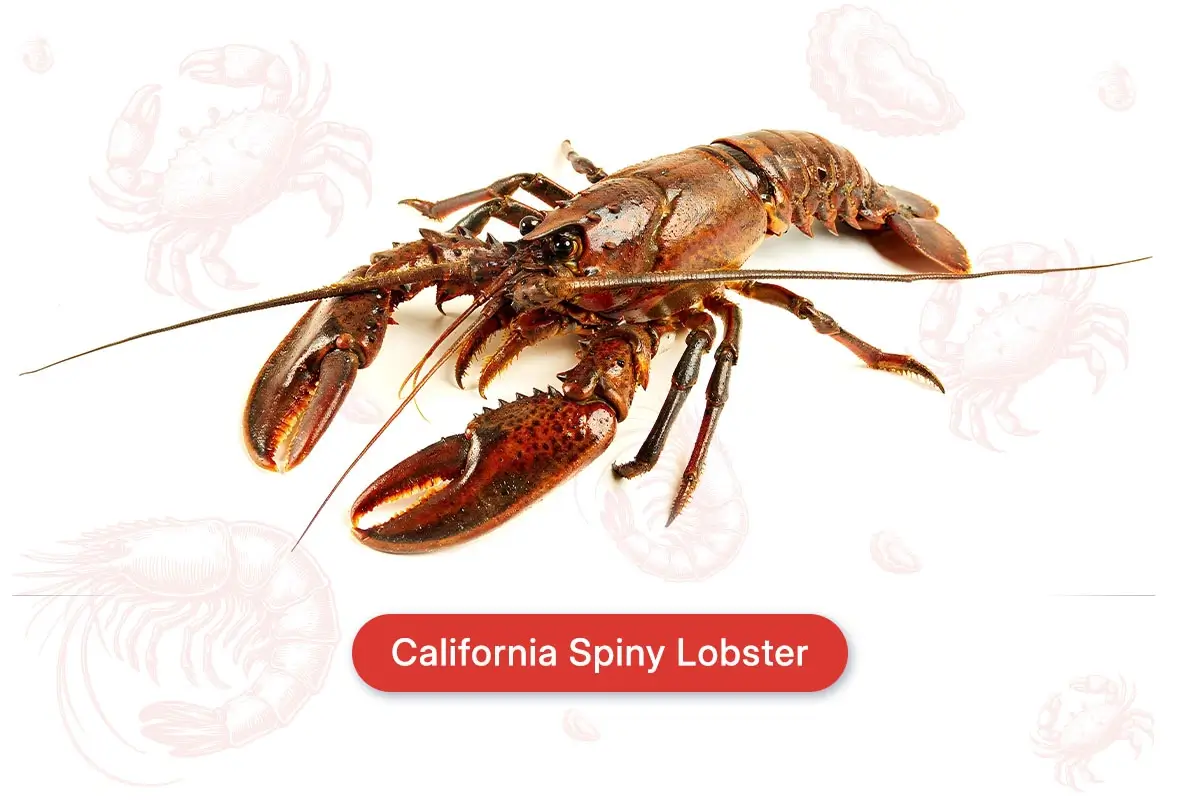
According to the Marine Species Portal, California spiny lobster is a West Coast delicacy, particularly along the coast of Southern California and Baja. Besides, here’s my observation:
- It is immediately noticeable with its reddish-brown shell and its characteristic long antennae.
- People love its tail best; it is firm, slightly briny and can be roasted or grilled.
It is a great attraction for those who love lobsters, divers and seafood lovers who like to have it fresh. I ate it plain, allowing its natural taste to shine through with butter. Citrus or a light seasoning isn’t a bad option either!
Caribbean Spiny Lobster
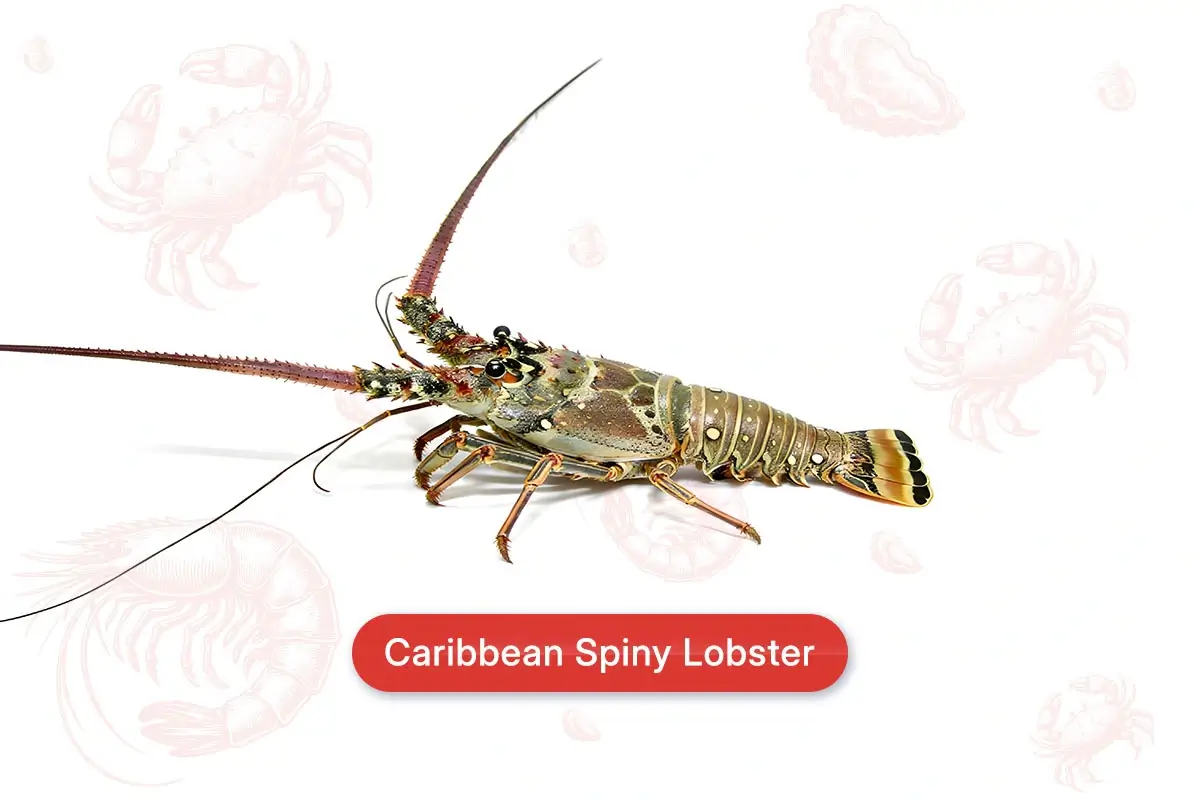
The Caribbean spiny lobster is all about the Caribbean seafood feel. Its habitat is warm, crystal-clear waters all around the Caribbean. Other key details include:
- It’s an island cuisine staple.
- With tender tail meat, it’s mildly sweet.
- Grilling it over an open fire or adding it to rich seafood is ideal.
Caribbean lobster has no claws, and to tell the truth, it does not need them. The tail is enough to satisfy the consumers. When you are in the mood to have a relaxing and delicious seafood meal, this lobster will never fail.
Florida Spiny Lobster
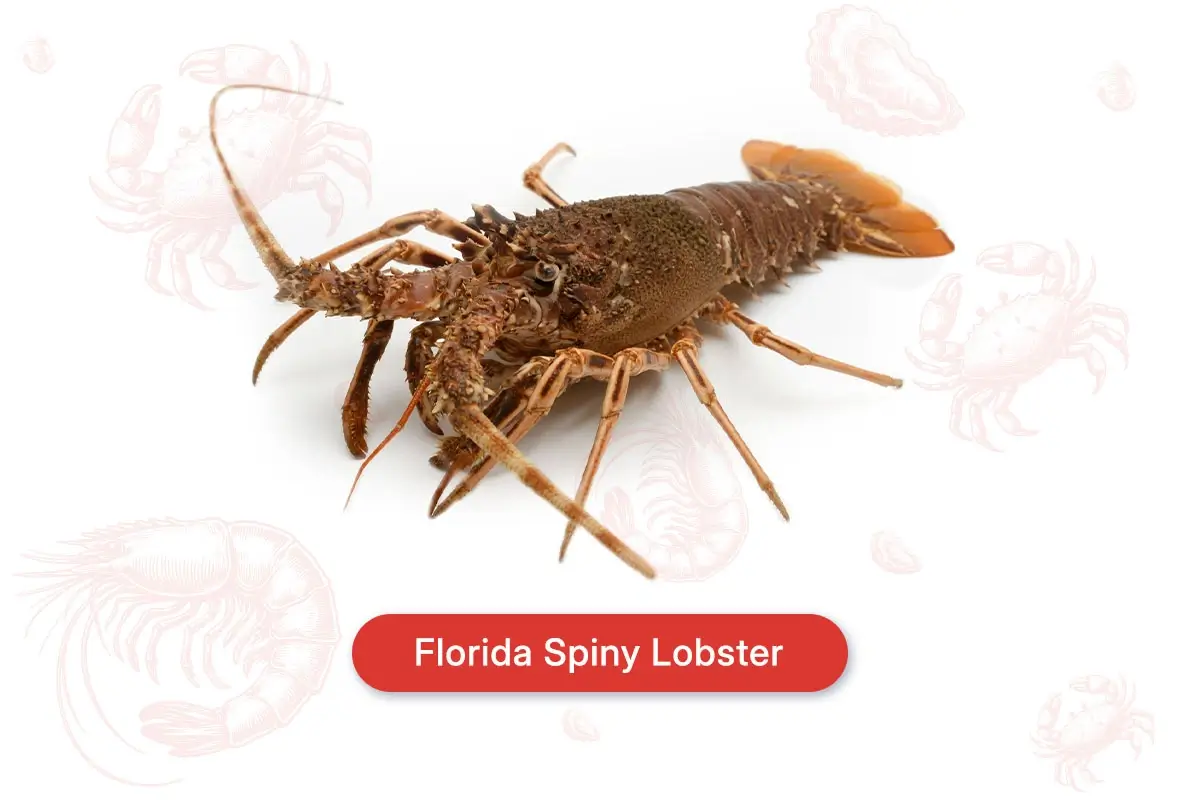
I found the Florida spiny lobster to be a local specialty and a favorite during the much-anticipated lobster season in the Florida Keys.
- Known for its spiky shell and long antennae, it’s easily recognizable and widely enjoyed.
- Tail meat is dense, a bit sweet and extremely versatile. It goes well as grilled seafood for pasta, tacos or seafood boils.
Florida lobster is a significant part of the diving culture in Florida. So, whether you are dining out or making dinner at home, Florida spiny lobster adds that fresh, seaside taste, feeling like summer on a plate.
Unique and Rare Lobster Types
Not every lobster is the same. Some are extremely rare and distinguished by unusual color or genetic peculiarity. These rare lobsters are not only fascinating to observe, they also serve as a reminder of the diversity of marine life. The majority of these rare types are not usually sold for consumption. They’re usually released into the ocean or stored in aquariums. From bright yellow shells to pastel combinations, I found these lobsters to be an immediate attention grabber. They do not taste much different than ordinary lobsters, but they are rare, beautiful and really something special.
Yellow Lobster
Yellow lobsters are some of the rarest lobsters. It has been estimated that only one in 30 million lobsters is yellow in color. Their bright yellow color is an inherited genetic mutation that influences pigment creation, unlike the typical dark green or brown shells. They are almost too beautiful to feel real and sometimes regarded by fishermen as a good omen. Since they’re rare, they aren’t commonly sold to be eaten. Instead, they are given away to aquariums.
Cotton Candy Lobster
The cotton candy lobster could be one of the most visually beautiful sea creatures you will ever have heard of. Its mild mixture of lightly pink and blue shades is true spun sugar. This unusual color is brought about by genetic mutation in pigment distribution within the shell. Compared to other rare lobsters, it is typically not taken to the dinner table but put into aquariums to be looked at. It isn’t so much about taste, but pure visual wonder.
Types of Lobster Tails
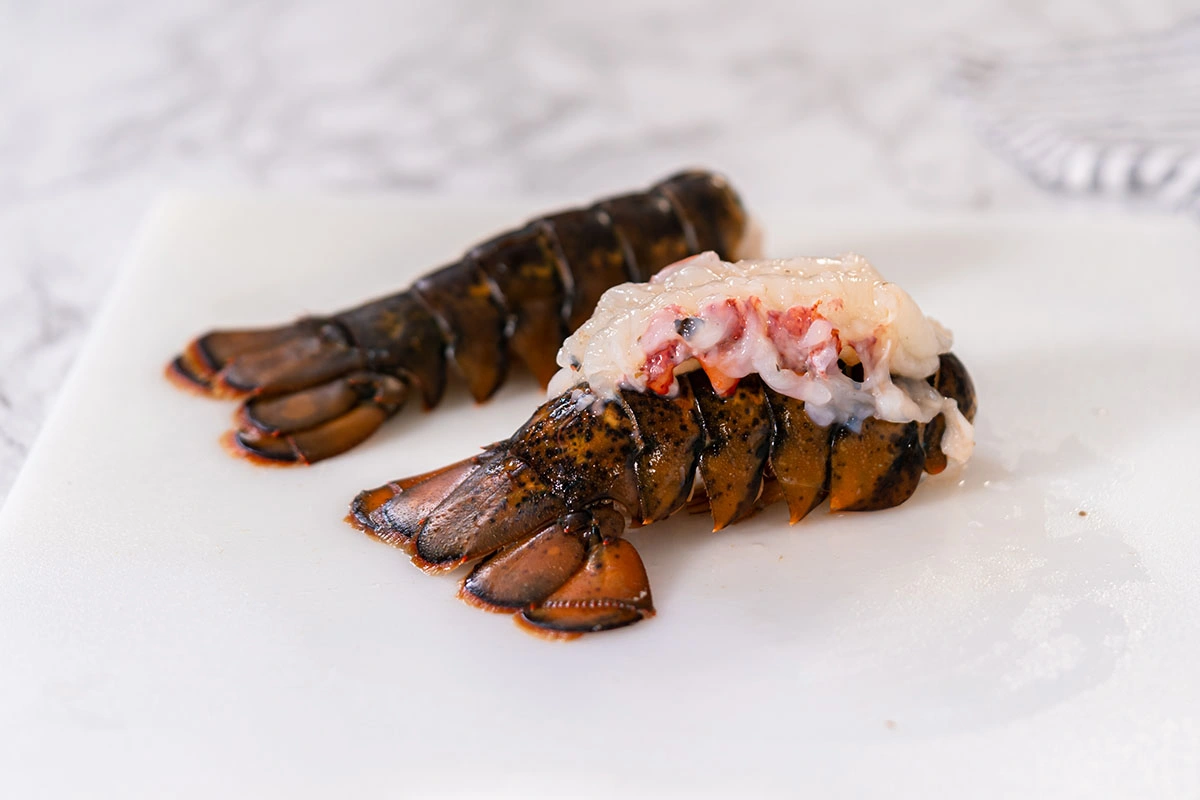
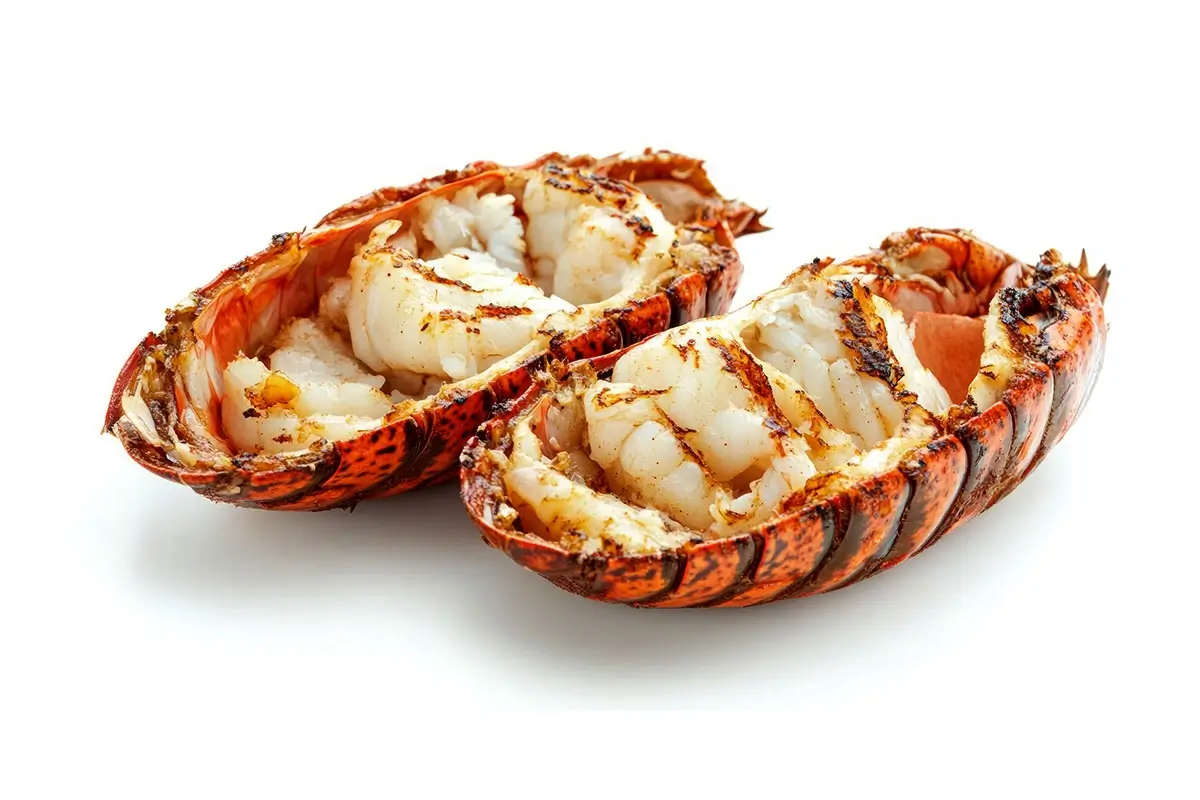
When it comes to different types of lobster tails, not all are created equal. According to my experience and observations, the point of difference boils down to the source of lobster, i.e. cold water or warm water, and that directly influences not only taste and texture but also the appearance. The lobster tails are easy to prepare and rich in meat. Grilling, baking, or broiling, the right type uplifts your dish. From sweet and tender to firm and slightly briny, each variety offers a different experience, making it worth knowing what you’re buying before you cook.
Cold Water Lobster Tails
The lobster tails in cold water are regarded as the gold standard. These tails are sourced from the colder regions such as the North Atlantic, where they have a sweet and clean flavor and tender texture.
- Cold water lobster tail meat is whiter and firmer.
- It’s ideal when it comes to dishes where quality is a significant issue.
- These aren’t so mushy and that is a great advantage when cooking.
The cold-water tails are a great bite whether you are poaching a lobster with butter or grilling it to perfection!
Warm Water Lobster Tails
The warm water lobster tails are of tropical origin such as the Caribbean and some parts of the Pacific.
- Warm water lobster tails tend to be in everyday meals since they are more common and affordable.
- The meat is a little softer, and may have a milder flavor than cold water varieties.
- A few will see a slight change in texture, but when cooked properly, they are still delicious.
Warm water tails are a good, economical choice if you are cooking lobster with spices, sauces or marinades.
Types of Lobster Rolls
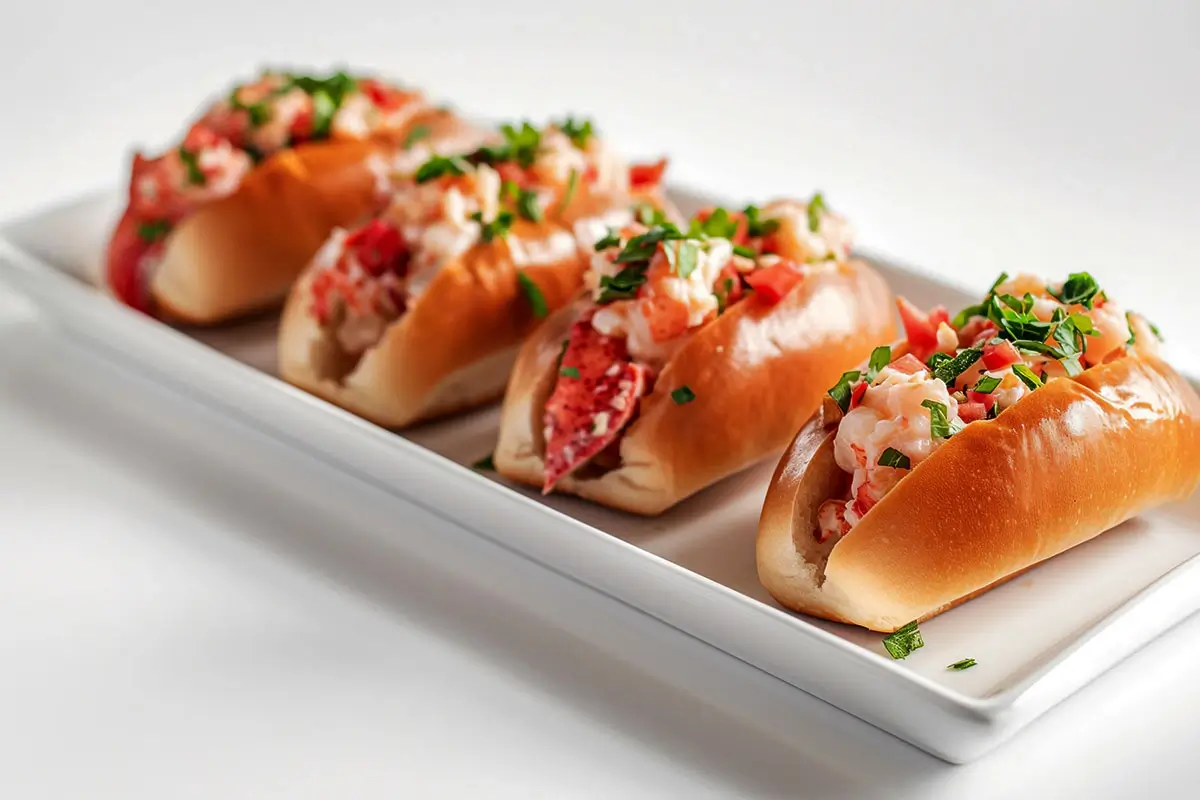
Lobster rolls are a true coastal classic. Among the types of Lobster rolls, the two most popular styles originated in the Northeast have plenty of fans. With the focus on fresh, high-quality lobster meat served on a soft, toasted bun, it’s what made the difference for me! You can go with creamy and chilled or buttery and warm; either way, lobster rolls are a luxurious way to eat seafood without getting too fussy with the flavors.
Maine Lobster Roll
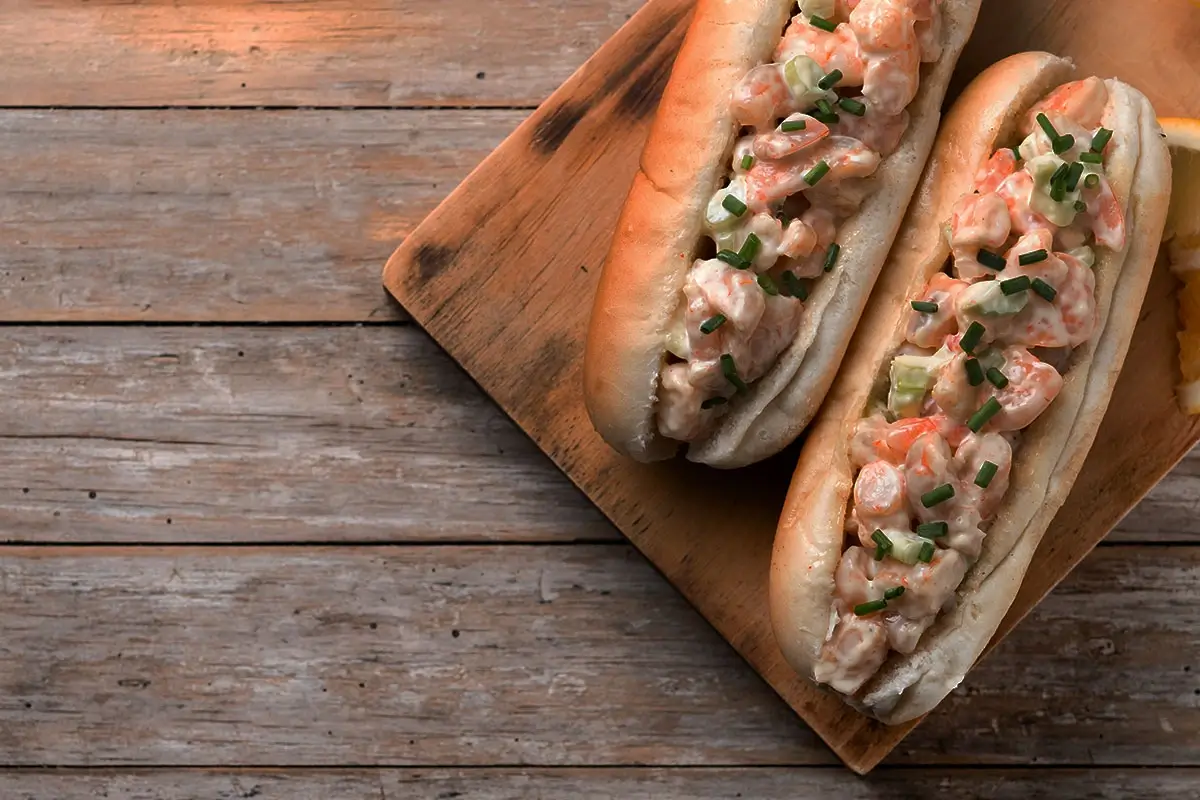
One of the two types of lobster rolls is the Maine lobster roll. It’s the cold creamy one. I prefer it because of its light and refreshing flavor. It is usually chilled lobster meat tossed with a bit of mayonnaise, occasionally with a bit of celery or herbs to add crunch and flavor – simple, served in a buttery, toasted split-top bun and good in warm weather.
Here is the point where you must maintain a balance. Go with an adequate amount of dressing to match the lobster, but don’t exceed a certain quantity, as it can make its flavor dominant. However, when you are in need of a cold, yet a little creamy seafood meal, the Maine-style roll is certainly your choice.
Connecticut Lobster Roll
The Connecticut lobster roll is totally opposite, no mayo, and only hot buttery goodness. Fresh lobster meat is warmly cooked and dipped in melted butter and served on a toasted bun. That’s it. It’s uncomplicated and allows the lobster itself to shine through. It is a style of pleasure-seeking; each bite is cozy and delicious.
Thus, now you know that the Connecticut lobster roll offers a more debauched, comfort-food experience, and is buttery, as compared to creamy, for seafood consumers.
How to Choose the Best Lobster
It does not necessarily have to be difficult to pick out the best lobster; one only needs to know what to look at. When purchasing live lobsters, ensure that you get the heavy lobsters in weight because it normally indicates that the lobsters are fresh and full of meat. It should have a hard shell and not a soft one as this would be more textured and flavorful.
When purchasing any types of lobster tails, ensure there is no fishy smell and that they have not discolored. Cold water types are usually sweeter and firmer whereas the warm water varieties are cheaper. Freshness always prevails when in doubt.
Enjoy Fresh Lobster at Red Crab
Enjoy Fresh Lobster at Red Crab
In case you are in need of some seafood with an adventurous taste and are ready to get your hands dirty, you can’t miss out on the fresh lobster at Red Crab. Once your order is on the table it is all about a rich aroma, well cooked seafood and that special mix of spices that would make each bite unforgettable.
The lobster is normally served hot, juicy, and dipped in any of your favorite seasoning plans, whether you want it buttery, garlicky or full of Cajun spice. No need to get fancy with it, this is about digging in, getting messy and savoring every bite. Split the shell, dip in sauce and enjoy the soft meaty meat within. Have it with sides such as corn, potatoes, or shrimp for a complete seafood dinner.
Red Crab has a vibrant, casual atmosphere. Whether you are dining with friends or family, this seafood place makes your meal even more enjoyable. It’s more than eating lobster. It’s about the experience, the taste and the fun involved.
frequently asked questions
What are the main types of lobster?
The main types of lobster are clawed lobsters and spiny lobsters. Lobsters with claws are mostly found in cold water and their front claws contain soft meat. In warmer areas, spiny lobsters lack claws and are distinguished by their hard and tasty tail meat. The two are common in various dishes across the world.
What is the difference between clawed and spiny lobsters?
The most notable difference is in their structure and taste. Clawed lobsters are large-clawed lobsters with soft claw meat and firmer tail meat that has a rich buttery taste. Spiny lobsters do not have claws and mostly offer tail meat that is firmer, a bit sweeter and is normally used in grilling and light dishes.
What are lobster tails?
What are the different types of lobster rolls?
The Maine-style and Connecticut-style are the two most popular types of lobster roll. Lobster rolls in Maine are chilled and served with mayonnaise and those in Connecticut are served warm with melted butter. Both emphasize the natural taste of lobster and provide various taste sensations, as per your taste.
Which type of lobster tastes the best?
No lobster is better than another. It’s a matter of taste. Clawed lobsters tend to be favored due to the rich, buttery taste and tender texture, whereas spiny lobsters are preferred owing to their firmer bite and a bit sweeter taste. It all depends on the way you prefer your seafood to be cooked and served.
Conclusion
Lobster is not a one-size-fits-all meal. It’s a seafood, offering a variety of flavors and textures to the table. With fat and juicy clawed lobsters, the firm and slightly sweet spiny types, each has something worth trying. Being aware of these variations will make you realize lobster is not merely seafood but a fancy meal.
The next time you are ordering or cooking lobster, you will know more about what to expect and what is more palatable to you. Be it a traditional, luxurious meal or a light and grilled one, the type of lobster you consume can mean the difference between your meal. Nevertheless, to get served with fresh lobsters in personalized seafood boils in Arlington, TX or any other state, visit Red Crab instead of searching for ‘seafood near me’.