


Health Benefits of Salmon and Nutrition Facts You Should Know
The food that is cheaper, easier to access, and more attractive these days is mostly unhealthy. However, did you know that packed with omega-3s, protein, and essential nutrients, salmon is one of the healthiest and most delicious seafood choices you can have? With numerous health benefits of salmon, you’ll see how it boosts your energy levels surprisingly. Besides, this seafood can be cooked in different ways, helping to escape boredom!
Table of Contents
Now, before we embark upon the top health benefits of eating salmon, there’s something you must know! You’ve got an option to choose between different types of salmon and cook them in various ways. Interesting, right? All you need to do is choose the one that aligns with your taste preferences and prepare it in a way that all nutritional values are enjoyed without compromising the taste!
Nutritional Value of Salmon
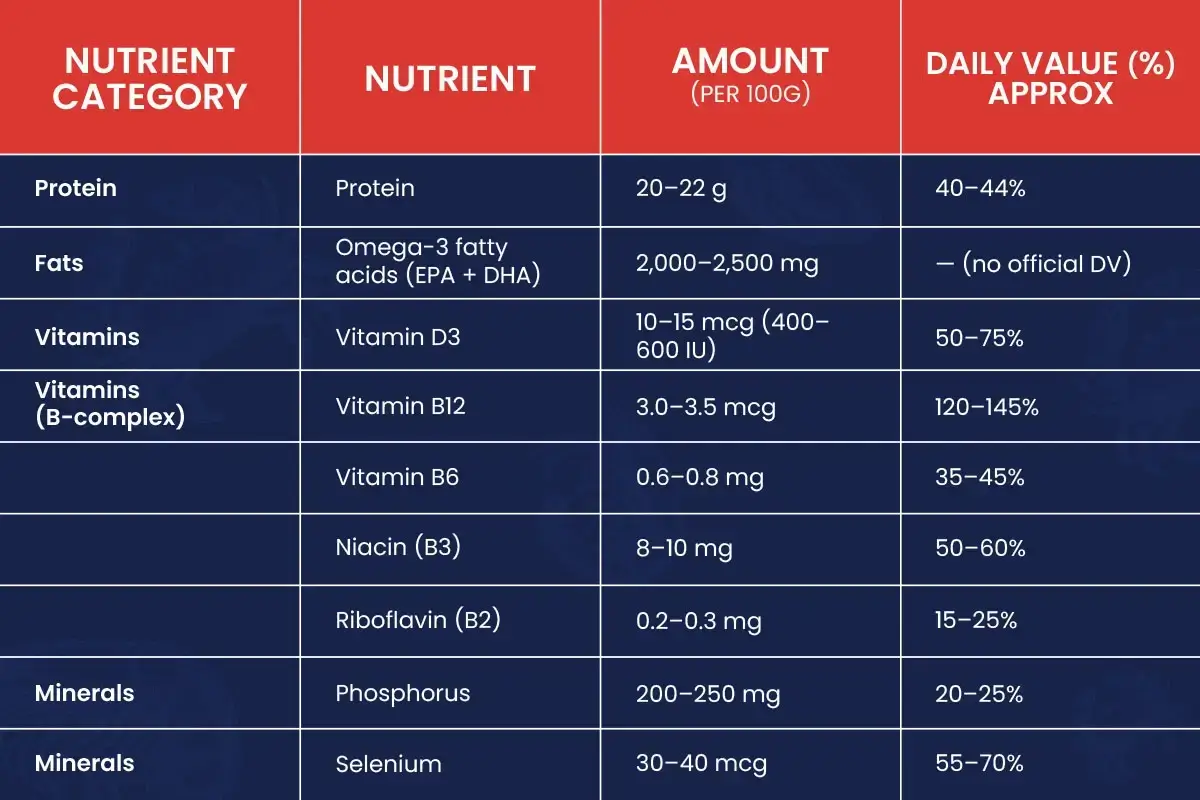
Although the nutritional value of salmon depends on its type and the way you prepare it, the most common nutrients that you get from salmon include vitamins, minerals, proteins, and omega-3 fatty acids.
- According to the National Institute of Health (NIH), salmon is an outstanding source of Vitamin D3. Since prolonged exposure to the sun is risky, the inhabitants of the US often require supplements like salmon to fulfill their vitamin D needs.
- Vitamin B is just another salmon nutrition, known for its exceptional impact on your body! The content that you get in the form of vitamin B12, B6, Niacin, Riboflavin, Pantothenic acid, Thiamine, and Folic acid is more than 100% of the daily value that your body requires.
- Rich omega-3 fatty acids add to the salmon nutrition facts. For the reason that your body can’t create omega-3 fats on its own, you should consume salmon to maintain your health and diet.
- Salmon provides phosphorus and selenium. The healthy operation of your body depends on both of these minerals!
- A great source of protein is salmon. Your body cannot directly make proteins, just as it cannot independently produce omega-3. For additional protein, you can consume salmon.
Top Health Benefits of Salmon
Once you get familiar with the health benefits of salmon, you might not be able to resist eating it! However, you must know that eating salmon rarely might not help to the fullest. Consuming fish twice a week is advised by the US Dietary Guidelines for Americans. Salmon is no different. Wondering how good salmon is for you and what it does to your organs and body? We have addressed it in this section comprehensively!
Heart Health and Omega-3 Benefits
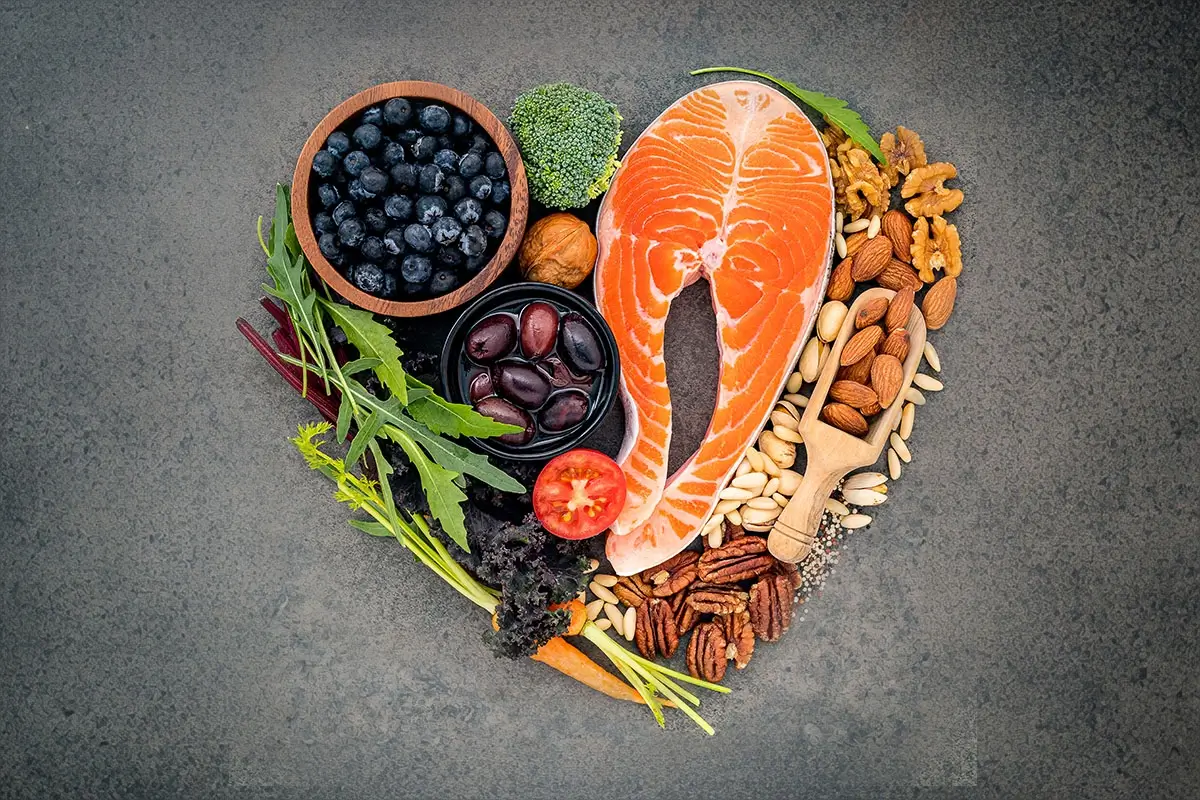
By lowering bad cholesterol and increasing good cholesterol, salmon significantly contributes to heart health stability. Furthermore, the advantages of Omega-3 are not limited to that.
- Salmon’s omega-3 fatty acids support blood pressure regulation, reduce inflammation, and prevent heart disease. It was linked to a lower risk of cardiovascular illnesses, according to one NIH study.
- Because salmon roe is high in omega-3 fatty acids, ingesting it may enhance the function of blood vessels and aid in blood pumping. NIH reported in a study that Omega-3 from food supplements like salmon oil could significantly lower the risk of breast cancer.
Brain Function and Cognitive Support
Brain function and cognitive support are vital for an individual’s proper functioning. Thus, here’s how salmon helps with that!
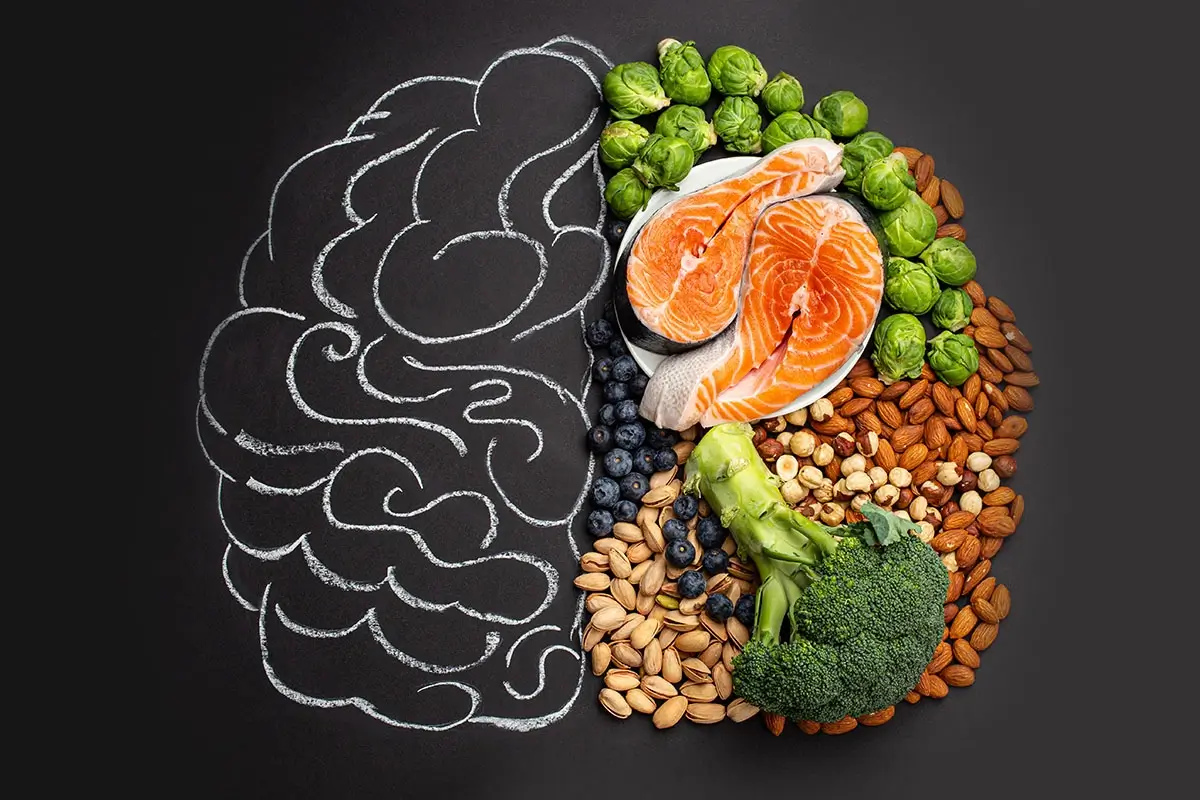
- One typical term for salmon is “brain food.” By improving memory storage and retrieval, omega-3 fatty acids, especially DHA, maintain a healthy brain.
- Since DHA is a significant element of cellular membrane phospholipids in the brain, NIH suggested that consumption of salmon could enhance the cell membrane integrity and neural function, lowering the risk of dementia and Alzheimer’s disease.
- Salmon contains vitamin D, which acts as a mood stabilizer since people with vitamin D deficiency frequently experience anxiety and despair.

Muscle Growth and Recovery
It may be quite difficult for skinny people to gain weight in a healthy way! Similarly, quick muscle recovery can be a challenge for athletes. Relatable? We can provide you with the ideal solution. To build or maintain muscle, you may consume salmon.
- Salmon contains high-quality protein, helping with muscle repair and growth, particularly after physical activity or exercise.
- Rheumatoid arthritis (RA) symptoms, such as swelling, discomfort, stiffness, and functional limitations of the joints, can be lessened by the anti-inflammatory properties of omega-3 found in salmon.
- The omega-3 fatty acids in salmon boost your energy levels and keep laziness away by giving your working muscles enough oxygen.
Skin and Hair Health
If you want strong hair and glossy skin, add salmon to your diet for the health benefits of salmon skin! Thinking about how it works?
- The omega-3 fatty acids in salmon skin keep your skin moist, giving a natural glow.
- These fatty acids enhance Collagen. Since it’s a significant structural protein in the skin, skin elasticity increases, and the aging process slows down!
- Salmon proteins and nutrients strengthen the hair follicles, making the hair shiny and strong over time.
Thus, next time you eat salmon, don’t miss out on the salmon skin benefits. Add it to your meal to have healthy skin and strong hair!


Immune System Support
Salmon aids in the development of a strong immune system, which is essential for maintaining excellent health! Your body’s immunity is strengthened against illnesses and infections when you take into account the health advantages of salmon fish elements including omega-3s, vitamin D, selenium, and antioxidants. Here’s more to it!
- The omega-3’s, including long-chain fatty acids (EPA and DHA), reduce chronic inflammation. As a result, defense mechanisms turn stronger.
- Vitamin D and protein reduce inflammation and boost the immune cells’ functionality against infections and diseases.
- Since selenium is an antioxidant, it reduces stress and strengthens immunity.
Different Types of Salmon
Most of the time, the salmon that you consume is either farmed or wild. Nevertheless, there are more options too! Some types of salmon contain slightly more or slightly fewer nutrients. No matter what type of salmon (fresh, wild-caught, or canned), you are still enjoying a great source of protein, omega-3 fatty acids, and vitamins. The difference between them can be in fat content, flavor, and nutrient content. Being aware of these distinctions can help you choose the salmon that matches your diet and aligns with your taste preferences.
Farmed Salmon
Farmed salmon may look pale, but it is rich in nutrients. Coming to texture and taste, it’s soft, delicate, and milder. In comparison to other types, you’ll find it cheaper and easily available all year round. Here are some specifics that may help you decide better when it comes to having salmon!
- Farmed salmon are brought up in a controlled environment, fed with processed feed.
- Its nutritional values are high in fat and calories. It consists of omega-3 fatty acids. However, at times, you may find high omega-6!
- It benefits human health by improving heart and brain functions, nerve function, and red blood cell production.

Wild-Caught Salmon
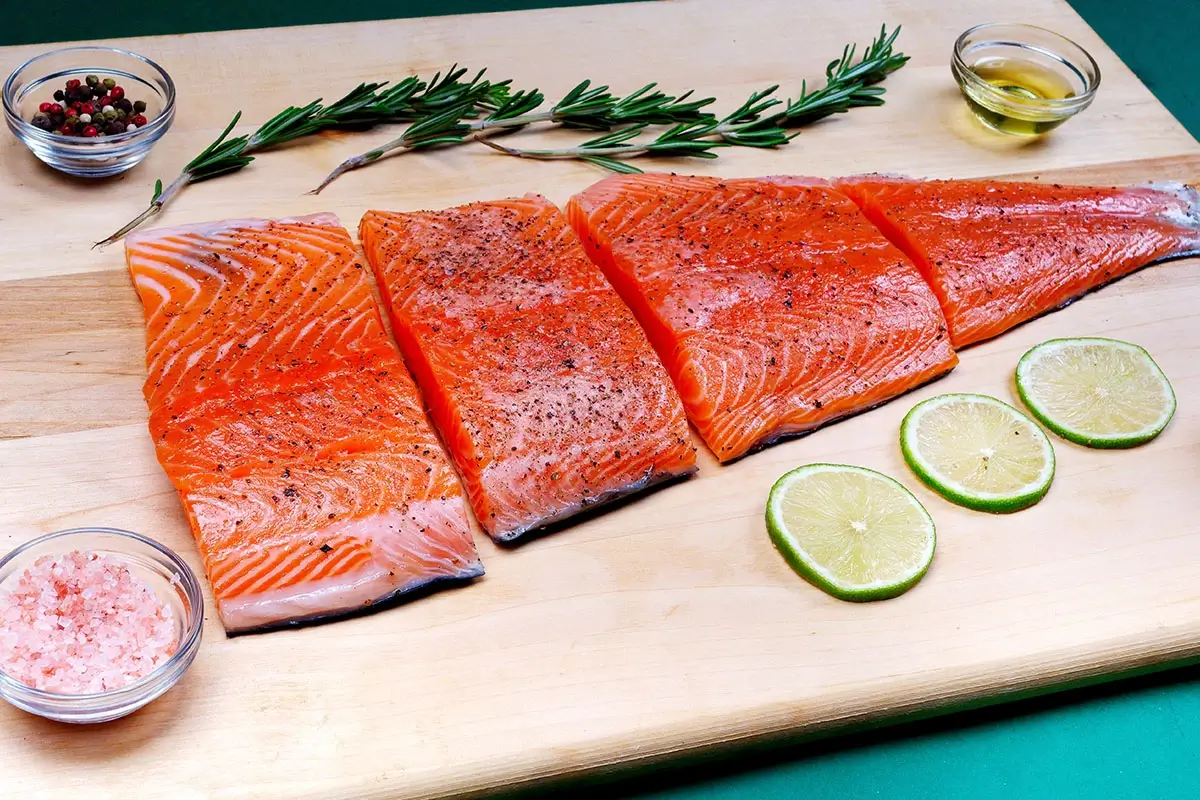
Being red-orange, leaner in texture, and complex in flavor, wild salmon is a great choice! Besides, considering the wild caught salmon benefits, it is rich in nutrients, and best of all. Wondering why? The following are some of the details.
- It feeds on a natural diet, reflecting a more balanced diet.
- It has a greater amount of omega-3 fatty acids, potassium, iron, and calcium, and a smaller amount of unhealthy fats compared to farmed salmon.
Eating wild-caught salmon helps in maintaining blood pressure and cholesterol levels. It enhances skin, hair, muscle, and bone health!
Sockeye Salmon
Sockeye Salmon looks deep red, with a firm texture and bold and rich flavor! Referring to the health benefits of sockeye salmon, it is distinguished in terms of nutrition. Here’s more to it!
- Sockeye salmon is a hundred percent wild, ensuring a natural diet, as it cannot be farmed.
- The greater number of omega-3 fatty acids and antioxidants, such as astaxanthin, helps maintain heart and skin health.
- Sockeye salmon is also a great source of protein and vitamins, making it a powerhouse choice for strong muscles and sustained energy.

Pink Salmon
A less expensive and lighter alternative is pink salmon! People often prefer its mild flavor and delicate texture. You’ll find many health benefits of pink salmon.
- It contains less fat compared to other types; it is a good option when one is concerned about the number of calories consumed.
- Although pink salmon is less flavorful, it provides a healthy portion of protein, omega-3, and necessary nutrients.
- The dense nutrients and minerals help in enhancing the immune function and thyroid health, alongside the common health benefits like improved heart and brain functions.
Canned Salmon
When seeking a quick, cost-efficient, and healthy meal, canned salmon is the best option! Its savory and rich flavor with flaky texture often makes people prefer it over tuna. Besides, the following are some of the canned salmon benefits that add to its qualities.
- Consuming canned salmon provides the same benefits as any other salmon, such as reduced inflammation, improved heart health, and stronger bones.
- Compared to fresh salmon, canned salmon is a superior source of calcium and phosphorus, as it leads to soft and edible bones.
- Its fatty acids, protein, and vitamins are preserved, making it an excellent pantry leftover.

Common Salmon Preparations and Forms
Including salmon in a diet plan isn’t complicated at all! It is a highly versatile and tasty food that you can add to most meals all week long. Salmon can be grilled, baked, or chopped into salads; these are just a few ways to prepare and serve salmon. However, to get the most benefits, make it in a way that the nutrients are not compromised. For instance, frying salmon would make it less beneficial compared to grilled or baked salmon. Prolonged exposure to heat and frying leads to loss of omega-3 fatty acids, vitamin B12, and Vitamin D.
Smoked Salmon
Smoked salmon is prepared by smoking at a low temperature. You can eat it on bagels or crackers with some cream cheese to taste. If you are on a diet, this can be a great option! Reason? It’s low on calories and high on nutrients.
Raw Salmon
You can get the most salmon fish benefits with fewer calories from raw salmon! For the dishes in which you can include raw salmon, go with sushi-grade salmon. You can slice salmon into thin crudo and marinate it for a buttery texture. You can also try salad and enjoy the health benefits of salmon oil by drizzling it over the salad.
Cooked and Grilled Salmon Nutrition
As you cook or grill salmon, the nutrients sensitive to heat (like vitamin B) may be reduced slightly. However, it’s still nutritious! Similarly, overcooking can lead to a decrease in omega-3 fatty acids. Nevertheless, proteins remain the same. It changes the structure only, and that’s normal. For a cooked salmon meal, you can go with seafood boils. It will be nutritious and tasty.
Salmon vs Other Fish

In comparison with other kinds of fish, salmon may be singled out by a high concentration of omega-3 and the nutrient level in general. Although many fish contain nutrients, salmon is one of those fish that has a slightly greater content, promoting heart, brain, and skin health! For instance, if you compare salmon with halibut, here’s how salmon has a more balanced composition of healthy fats and vitamins, making it a better choice for people who want to improve their diet.
- The halibut has lower fat and calorie content and does not contain as many omega-3 fatty acids as salmon does.
- The greater fat content in salmon is actually a good thing. Those are the heart-healthy fatty acids that the halibut does not provide in large quantities.
Although both are great sources of protein, when it comes to the health benefits of salmon vs halibut, it depends on what you look forward to. In case you want healthy fats, salmon wins. Otherwise, halibut may be a better option.
Enjoy Fresh Seafood at Red Crab
The healthiest seafood you may ever eat is salmon, but only when it is prepared properly will its health advantages be reaped. Therefore, if you find it difficult to prepare salmon, try the fresh salmon meals from seafood places like Red Crab Juicy Seafood. The staff, extensive seafood menu, and services will not let you down, even though the availability of some types of salmon may be seasonal!
Additionally, Red Crab specializes in Cajun seafood and offers you ample customization possibilities to select from mild tastes and traditional salmon recipes. It’s one of those restaurants that serves authentic, fresh fish. Looking for a restaurant that serves delicious salmon? Give Red Crab a try! It might end up becoming your favorite spot.



frequently asked questions
What are the health benefits of salmon?
The health benefits of salmon fish include improved heart and brain functioning, good cholesterol levels, strengthened bones, healthy skin, and stronger hair.
Is it healthy to eat salmon every day?
Yes, eating salmon daily is healthy. However, it depends on the portion size, how it’s prepared, and the health of an individual. For instance, keeping in view the health benefits of smoked salmon vs grilled salmon, eating smoked salmon every day might not be a good choice.
What nutrients are found in salmon?
Salmon consists of numerous nutrients, such as vitamin D and B12, minerals, and omega-3 fatty acids. Besides, considering the health benefits of salmon roe, it consists of iron and choline as well, which improve brain and liver function!
Is wild-caught salmon healthier than farmed salmon?
Yes! Wild-caught salmon is rich in proteins and vitamins, while low in fats and calories. Thus, people prefer wild-caught salmon over farmed salmon.
What are the benefits of eating salmon skin?
The health benefits of eating salmon skin include enhanced collagen. It results in skin elasticity, a slow aging process, and moist skin, making the skin glow!
Conclusion
The simplest and most efficient strategy to maintain your heart, brain, and general health may be to eat salmon! You don’t have to completely change your lifestyle. Thus, the next time someone inquires, “Is salmon healthy?” respond “yes.” Furthermore, every type of salmon is nutrient-rich. The only changes you may find are in their color, texture, flavor, mineral content, and fat content.
Nonetheless, the health benefits of seafood like salmon will protect your body from health issues and keep it active and healthy throughout the year. Want to enjoy fresh and flavorful seafood? Instead of searching ‘seafood near me’, visit Red Crab Juicy Seafood and explore delicious salmon and Cajun seafood dishes made with quality ingredients.