

How to Start a Food Business: Step-by-Step Guide
Thinking about how to start a food business can fog up one’s mind. So, if you’re seeking guidance, you’ve landed on the right page. Whether you’ve got a business mind or not, life can throw lemons your way. But don’t worry! We’ve got your back. We’ll be addressing each of your questions, be it ‘how much does it cost to start a food business’ or ‘how to start a mobile food business’.
Table of Contents
Now, if you’re thinking food business is all about the food and menu, you need to learn a lot! Starting a food business can turn your passion for cooking into a profitable venture, but it takes more than great recipes. Also, it’s more than how to start a food business with no money. So, from business planning to licensing and marketing, here’s everything you need to know to launch your dream food brand successfully.
Understanding the Food Business Landscape
The food business market is huge, competitive, and ever-changing with the shifting consumer preferences. If you consider the ones taking a start from home, you’ll see numerous home-based bakeries and food trucks. They’re just a few means of entering the market, which has many full-scale restaurants. Learning to know your target market, gaps in the market, and staying well-informed with the contemporary culinary food trends are critical! To learn about how to start a food business, you must know every tactic to develop a flourishing business in the current dynamic food economy.
Food business is more than cooking good food. It includes strategic planning, branding, promoting, and quality assurance. Thinking from an entrepreneur’s viewpoint, one must think about such aspects as pricing, customer experience, supply chain management, and regulations. By understanding the local demand and customer preferences, you will be able to position your business and be successful in the long term. That’s what you’re searching for, Right?

STEP 1: CHOOSE YOUR FOOD BUSINESS MODEL
To start with how to start a food business, the initial step is to make a choice related to the model that can be applied. It depends on your goals and resources. Food trucks, catering, online delivery of meals, and restaurants where people may dine in are the most popular. Depending on the decision, the scale of investment, what equipment to hire, and for whom to appeal will be decided.
Home-based food business can be the best option in case of a newcomer, since it has fewer start-up costs. Before you make your business model final, assess the market demand and competition, and your cooking capabilities. The appropriate structure establishes the basis of smooth operations and scalability in the future.
STEP 2: CREATE A FOOD BUSINESS PLAN
The next step in how to start a food business is an effective business plan! It is the guide that your food business should follow. It must provide a description of your mission, target market, menu, pricing model, and marketing strategy. Provide information about financial estimates, initial expenditure, and sales targets. A good business plan not only makes you organized but also attracts investors or partners.
Carry out market research to determine who your competitors are and what your unique selling propositions (USP) will be. The more time you invest in planning, the more you will be in a position to anticipate challenges and attain sustainable growth!


STEP 3: LEGAL REQUIREMENTS AND LICENSING
Ensure abiding by the local legal requirements, when learning about how to start a food business! Also, don’t forget to get the licenses to start your food business. This can be a food handlers permit, permit to register a business in the health department, and even a coverage of insurance.
Since the food safety and zoning laws differ by state or city, it is important to enquire with the authorities. When documentation is done properly, your business will be spared fines or closure. Also, being hygienic and safe creates confidence with your customers, and a business assures that your food facility is in business within the law and in good moral standing.
STEP 4: SETTING UP YOUR KITCHEN AND EQUIPMENT
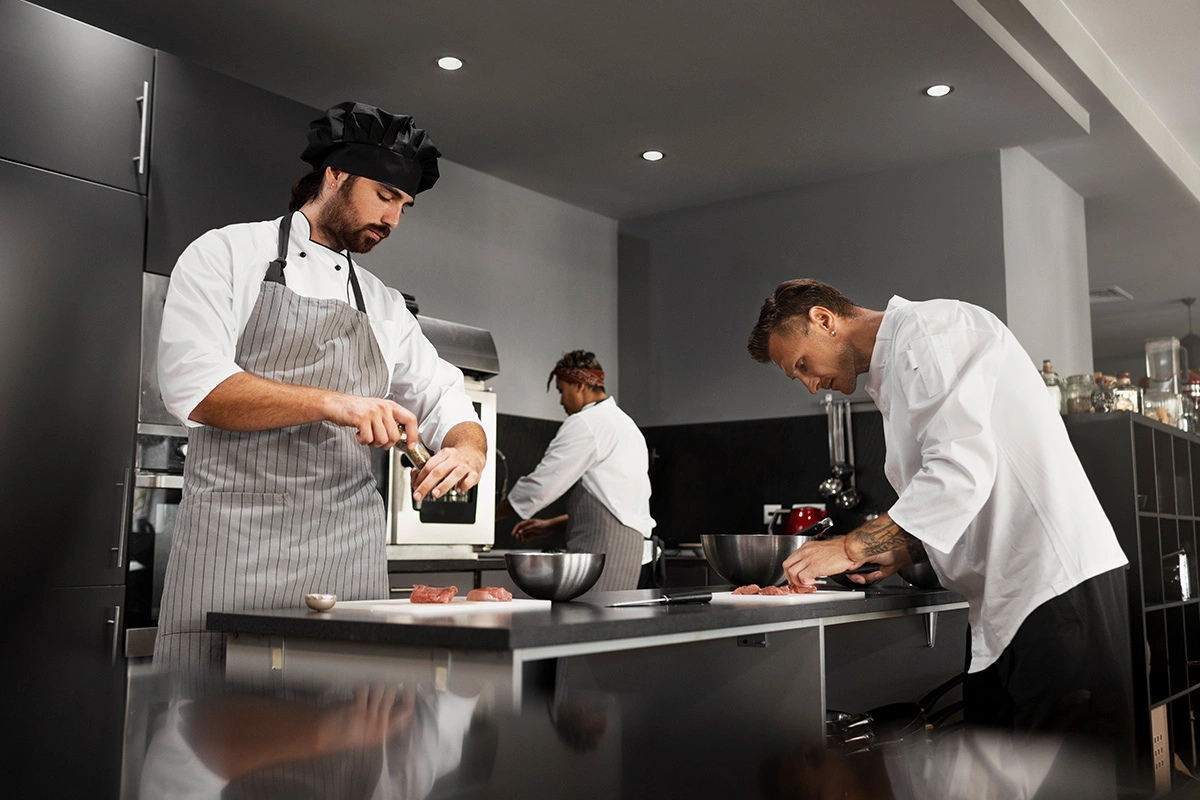
The Kitchen setting plays a crucial role, when it comes to assuring productivity and the quality of products! Be it a commercial kitchen, a food truck, or a home set-up, make sure it complies with hygiene and space requirement. Purchase the necessary cooking and storage devices and fridges according to your menu.
Focus on quality and not quantity, in order to save unnecessary costs. A clear workflow design, hygiene, and cleaning schedules will be important for the smooth running. Also, by finding a good supplier of ingredients, you can guarantee consistency in your food product range keeping customers happy and loyal.

STEP 5: BRANDING AND MENU DEVELOPMENT
Branding is not a logo, it is a narrative of your company, your purpose, your character, etc. You will want to choose a name that attracts your intended market and one that fits within your food genre. So, design a striking logo, color, and packaging to come up with a harmonious picture.
Meanwhile, focus on changing the menu and also delivering the food that highlights your personal preferences and good ingredients. Be as brief as you can be with your menu, but make it diverse, something that considers the requirements of various diets. Developing awareness and attracting customers back can be achieved through proper branding and designing a well-thought-out menu. Thus, proper branding and strategically designed menu will create awareness and bring back customers.
STEP 6: MARKETING YOUR FOOD BUSINESS
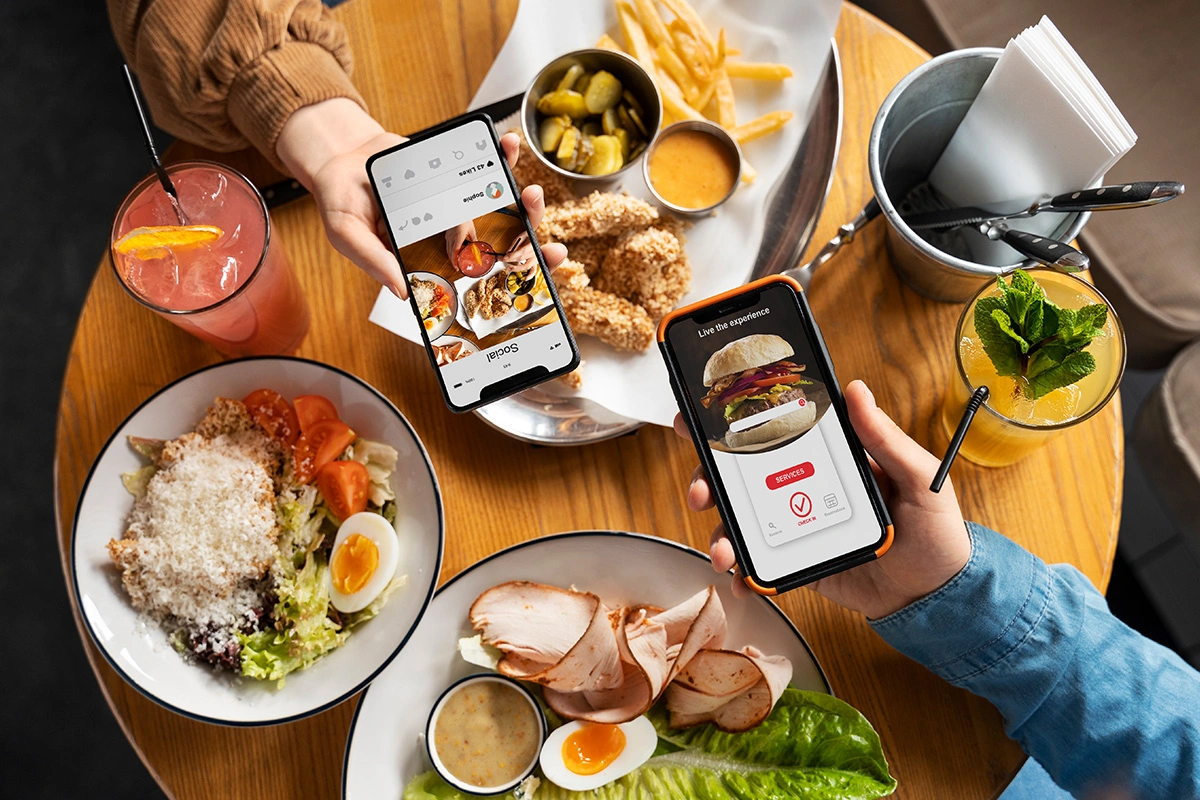
The competitive food industry requires marketing to attract and retain customers. So, begin with a web presence in terms of a site and social network accounts. Use mouth-watering images, posts, and reviews by customers to create trustworthiness. Consider local advertising, which can be done in partnerships or influencer collaboration to create awareness.
The other method of expanding your consumer base would be to offer special deals or loyalty schemes of a particular duration. Here’s a tip! The rate of your actions’ reoccurrence will create trust, ensuring that your brand stays at the top for food lovers within your area.

STEP 7: MANAGING OPERATONS AND QUALITY CONTROL
Handling operations and quality assurance is essential for a food business to thrive! You can ease business operations through clear procedures for handling orders, managing the staff, and tracking inventories. The most important thing should be consistency in food taste, presentation, and hygiene. Audit and regular staff training will help in maintaining standards from every now and then.
Get customer reviews and use them to improve your products and services. This is not only achieved by effective management, which boosts the output, but also customer satisfaction, which leads to repeat business and profitability in the long run. Thus, when you initiate any business, ensure a smooth operation management, and quality control to uphold customer satisfaction.
Top Benefits of Running a Mobile Food Business
Mobile-based food businesses, such as a food truck, are capable of being flexible and less expensive in comparison to a physical restaurant. Thinking practically and wondering how? Entrepreneurs have the chance to experiment with different markets and change their location depending on the demands of the customers. They also save money on rental and maintenance expenses. It is also possible to take part in festivals, corporate events, and local gatherings with this model, which exposes the brand to more people and gives more chances to generate revenue. Does that urge you to learn how to start a mobile food business? If yes, you can opt for it and see the benefits yourself!
Mobile food businesses tend to have lower overhead costs, which means they pay back faster and can scale more rapidly. The fact that mobility and convenience make it possible to develop a loyal customer base is another significant strength. Customers adore clearance, hot meals that are easily cooked and that meet their hectic schedules. The use of a food truck or a mobile kitchen also enables you to reach your audience in the most direct way and get immediate feedback. With a carefully thought-out marketing strategy (location updates and promotion on social media), you can become a lot more visible. Doesn’t it make how to start a food business more interesting? Altogether, the mobile food business is a mixture of innovation, adaptability, and market interaction to grow in the long run.
How to Price Your Menu for Profitability
Pricing of your menu is a great concern when it comes to learning how to start a food business and achieving profitability and sustainability. Begin by finding out your food costs, food, packaging, and labor. Then deduct such overhead costs as utilities, rent, and marketing. There’s this universal rule that your food costs should not exceed 30 percent of your menu price. It is advisable not to underprice because this will damage the profit margin. But, ensure charging your prices based on the quality of your food and the size of your portions.
It is also significant to review and make changes in menu prices over time, depending on inflation, availability of ingredients, and demand. Giving package offers or seasonal specials of the seasons will give rise to average order value without putting off price-sensitive buyers. We’ve got a tip for you here! Review customer reviews and sales performance to determine what sells and how to better manage the pricing strategy. The right combination of affordability and profitability keeps your business in balance.
Building a Social Media Strategy for Your Food Brand
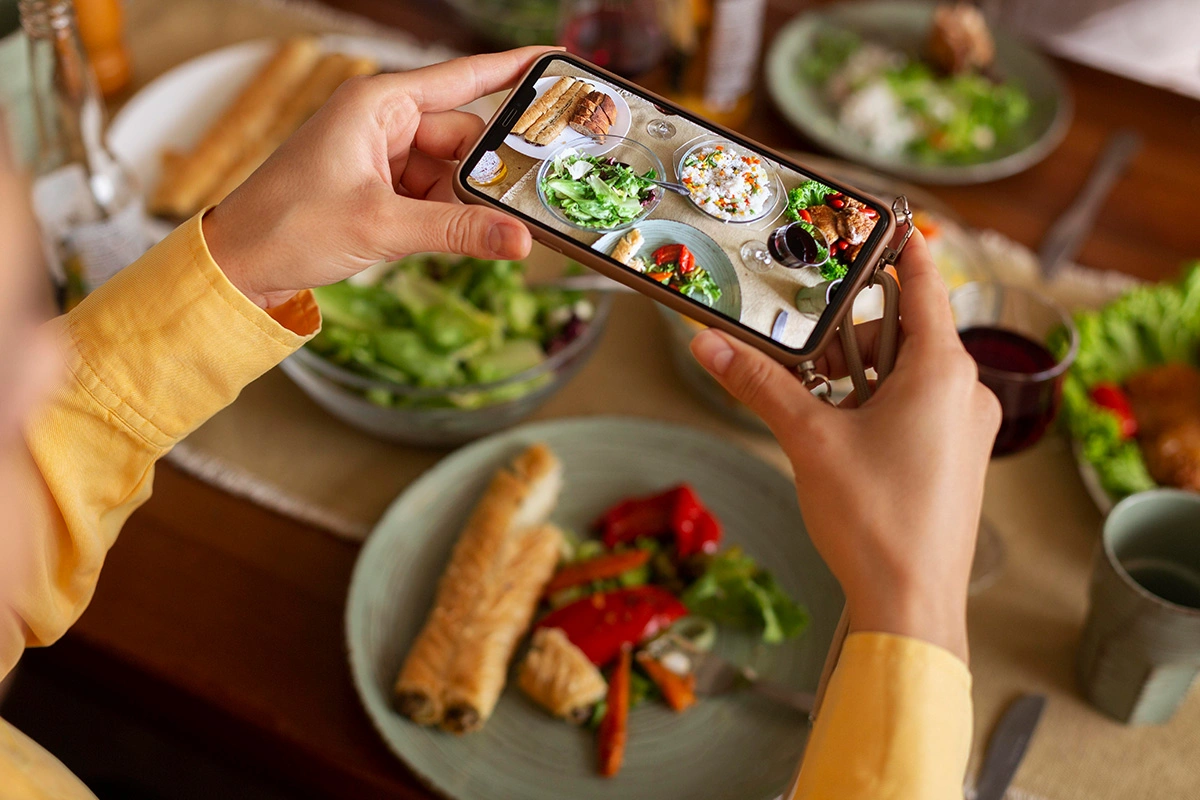
Social media is a powerful instrument and can be employed to advertise your food brand and attract your target clients. The first step do is to identify platforms that your target audience spends the most time on. It can be Instagram, Facebook, or TikTok. Coming next, post beautiful images, appealing posts, and hashtags to showcase your food and brand name. Posting regularly will help you communicate with your followers through comments, stories, and polls.
Also, consider the power of influencer marketing, giveaways, and behind-the-scenes to ensure that your brand remains interesting and relatable. You should observe what kind of content generates the most interest. Going with the paid promotions can also widen your circle and get you new customers. If you choose a correct social media approach, it can assist you in expanding your food company online. It not only enhances your presence but also the loyalty of your customers.
frequently asked questions
How do I start a food business from home?
The initial step to start a home-based food business is to research the health and zoning policies of your location. Obtain the necessary licenses, as well as make sure that your kitchen is legal and clean. To attract customers, choose a niche and create something unique on the menu! Establish a presence on the internet with the help of social media or delivery service applications.
What licenses do I need to start a food business?
As you come across licensing in how to start a food business, the type of licensing required depends on where you are! Normally, you will be required to have a food handler permit, a business license, and the approval of a health department. Coming to other licenses, such as catering or mobile vendor licenses, it depends on your business model to operate in the legal environment.
How much money do I need to start a small food business?
The answer to this question depends on your business model, equipment requirements, location, and start-up costs. Home-based food business or food truck often involves less capital compared to a full-service restaurant. Therefore, it is best to consult entrepreneurs who are already involved in this business.
Can I start a food business online?
You can definitely start an online food business! You do not need to go further than starting with a business where you sell either through your own site, delivery applications, or social media. You will still have to comply with food safety laws, licensing, and adequate delivery logistics. The packaging of food is equally important to satisfy the customers.
What’s the most profitable type of food business?
In a food business, profitability is based on market demand, location, and efficiency. Among the most profitable ones are food trucks, bakeries, specialty catering, and meal delivery services. These models have reduced expenses and increased flexibility, and therefore enable you to balance operations.
Conclusion
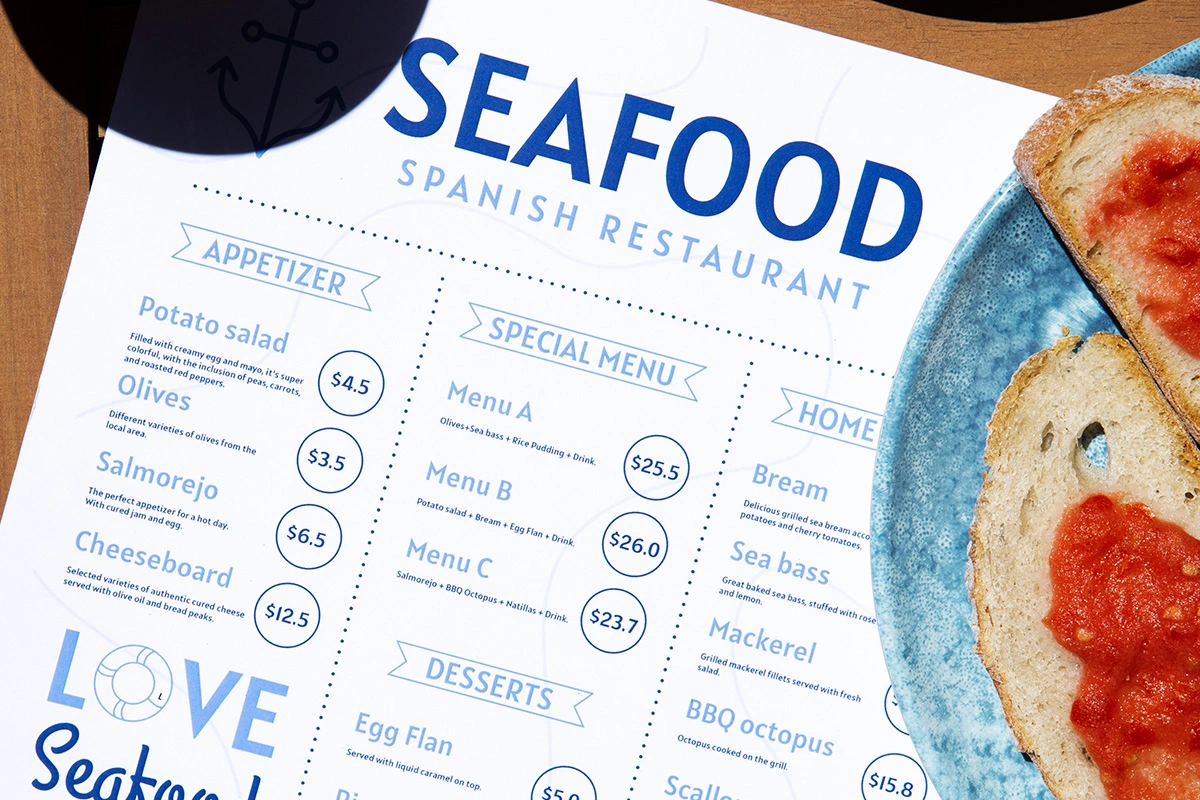
The journey from how to start a food business to running a successful business can be fun yet exhausting! However, if you invest enough time in planning, there are greater chances of escaping challenges and failures. Coming to the food choices to offer, you’ll find a great variety. But, if you are thinking about offering seafood, you should explore the seafood menu that the best restaurants offer.
If you search ‘seafood near me’, you’ll find the Red Crab Juicy Seafood among the top seafood places. You can join us here to take notes from a seafood business that is thriving already! With an exceptional dining experience, you’ll get to know why people visit this place instead of going to other places. It’ll help you get a good insight into how successful businesses operate.