If you’re concerned about your health or body image and love seafood boils, you should learn more about the seafood boil calories. Knowing whether it aligns with your health and fitness goals can help you with a better approach.
Savor every bite of your seafood boil with confidence as you discover how protein, carbs, nutrition, and calories in a seafood boil change depending on the ingredients and cooking method. Additionally, do you know what makes this seafood boil nutrition facts guide better than the rest? An insight into how you can keep seafood boil from getting unhealthy!
Table of Contents
Calories in Popular Seafood
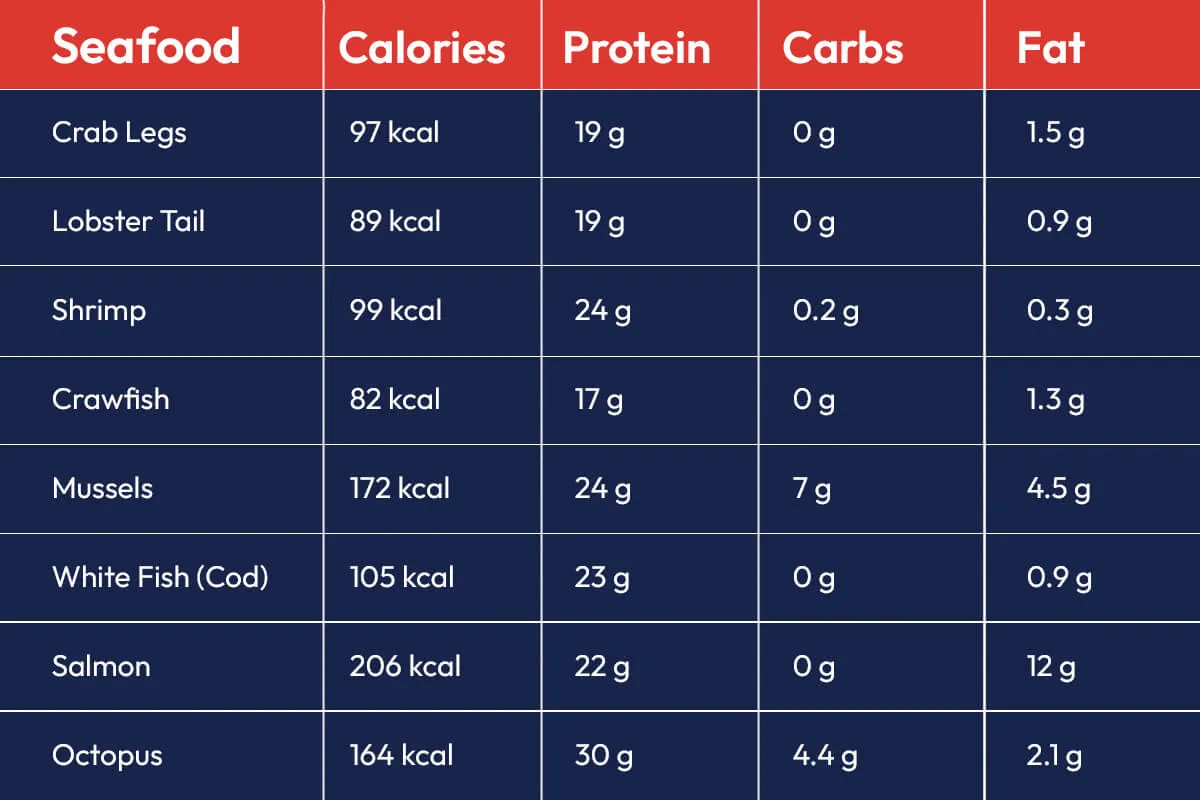
Even though seafood is popular for low calories and high protein, you should still look into the details. As we discuss the number of calories in seafood, described by the U.S. Food and Drug Administration, higher-calorie seafood might surprise you!
Calories in Crab Legs
Speaking of calories in crab legs, the number varies according to type. However, a standard crab leg serving of about 3 oz (85 grams) is approximately 70 calories.
A cooked crab leg, without any additional ingredients or seasoning, is about 25 to 130 calories. It depends on the size and type. Like, a smaller snow crab might have 25 calories, whereas a large king crab of about 134 grams can have 130 calories.
Calories in Lobster Tail
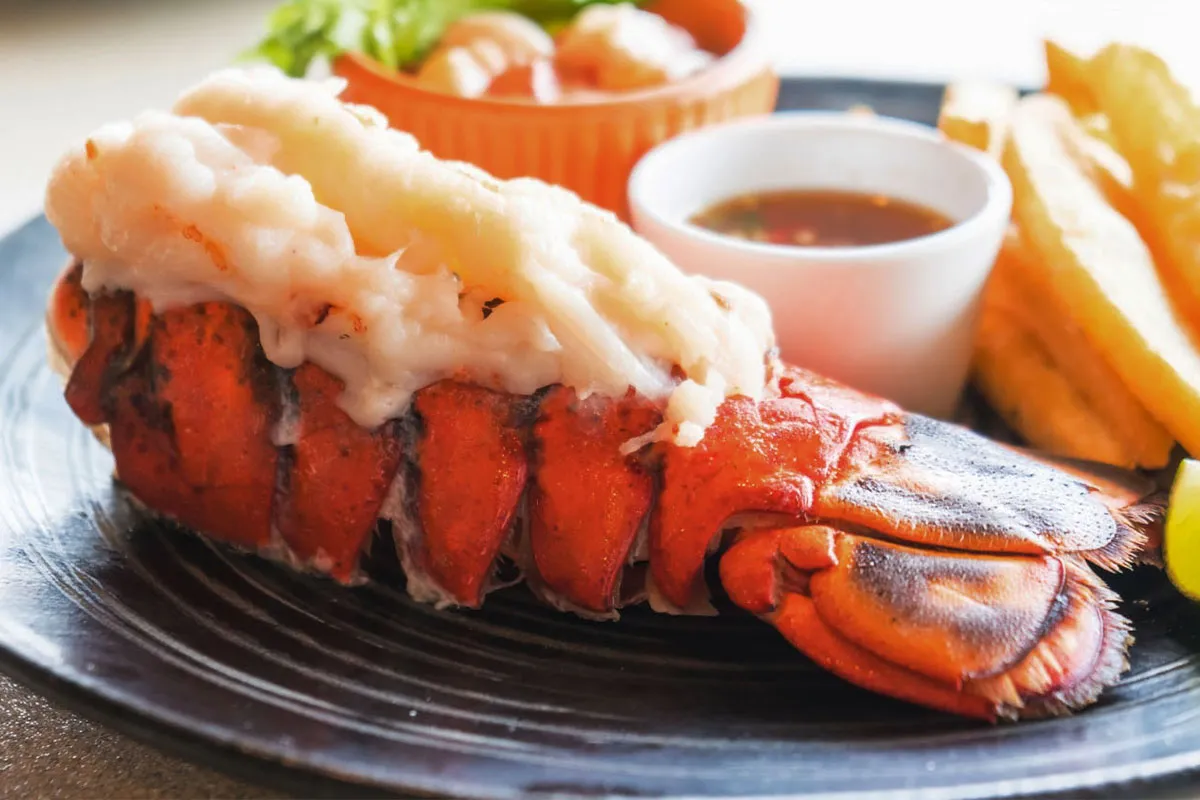
For calories in lobster tail, a simply cooked lobster tail is about 30 to 130 calories. If you look into it from the size perspective,
A small lobster tail, weighing about 3 oz (85 grams), is 60 to 80 calories.
A medium lobster tail that weighs 4 oz (112 to 145 grams) has 100 to 130 calories.
A large lobster tail with a weight of about 8 oz (225 grams) is approximately 200 to 220 calories.
Calories in Shrimp & Crawfish
Taking the standard serving size (3 oz or 85 grams), calories in crawfish tail (peeled) meat are about 70, while crawfish boil calories can be much higher than that!
For calories in shrimp, you’ll have to consider weight or size. Usually, in shrimp recipes, people use shrimp according to weight.
For mussel calories, a standard serving (3 oz or 85 grams) is about 146 calories.
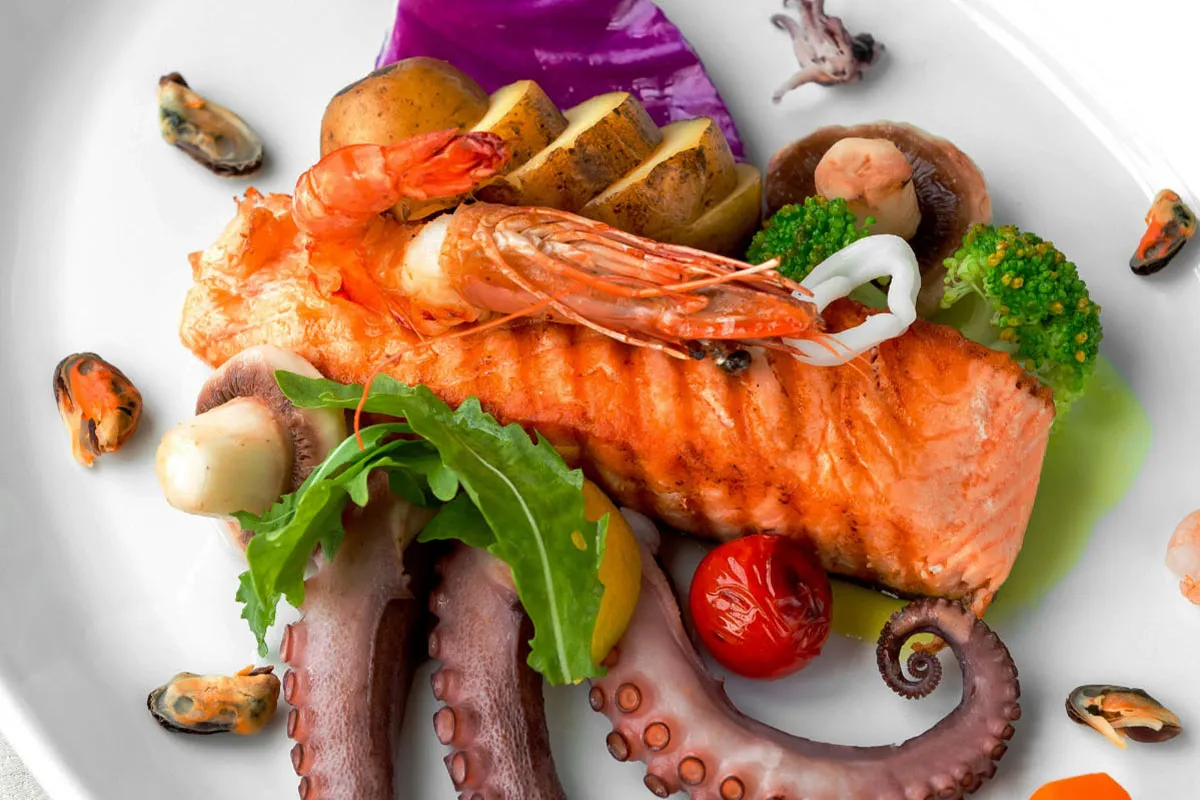
When it comes to calories in fish, you can find a variety. However, the most commonly eaten are salmon and tuna. So, speaking of calories in fish, particularly salmon, they vary. It may range from 182 to 206.
For a wild salmon, a standard serving can have about 120 to 150 calories.
Farmed Atlantic salmon is 175 to 200 calories.
Canned pink salmon is about 120 calories.
Additionally, calories in fish like Tuna, 100 grams equals 110 to 145 calories.
For octopus calories, 3.5 oz (100 grams) of cooked octopus is 139 to 164 calories.
Calories in a Seafood Boil Bag
When you’re making a seafood boil with additional ingredients, the overall nutrition increases. That includes seafood boil calories as well! Before we jump into the seafood boil nutrition facts, here’s something you need to know about the calories in a seafood boil bag.
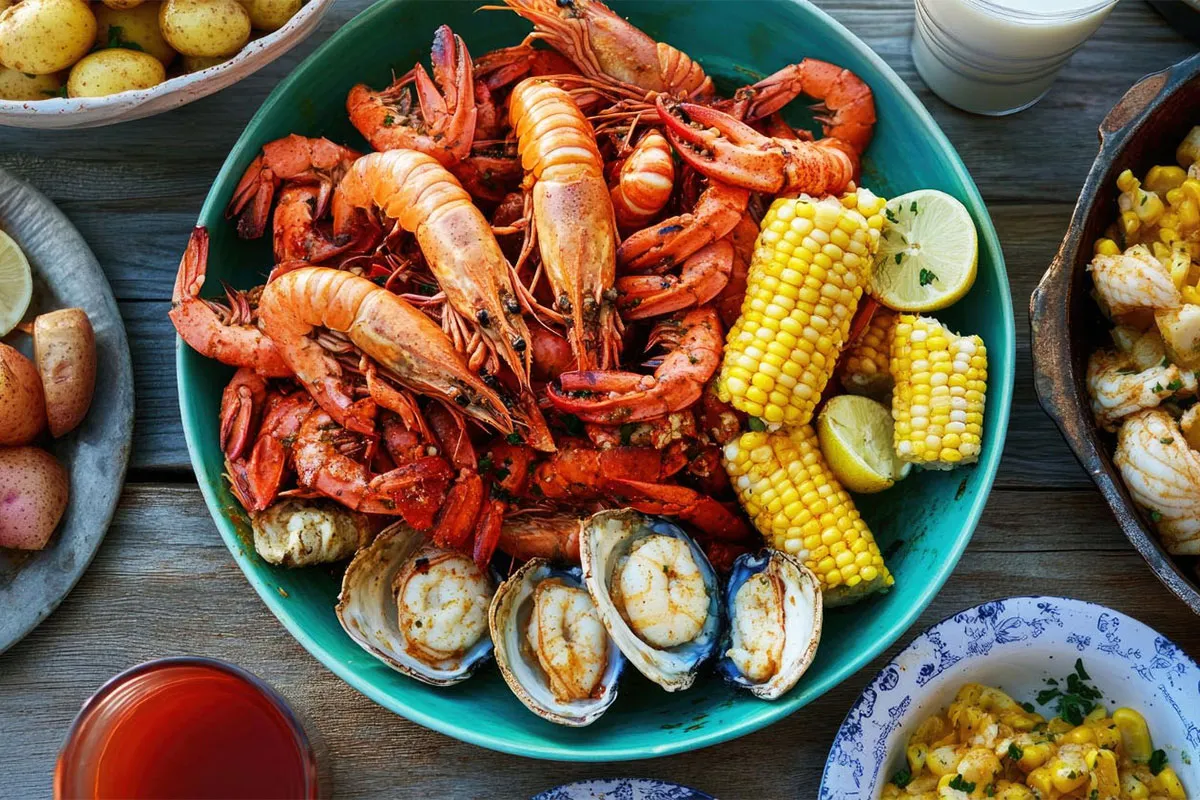
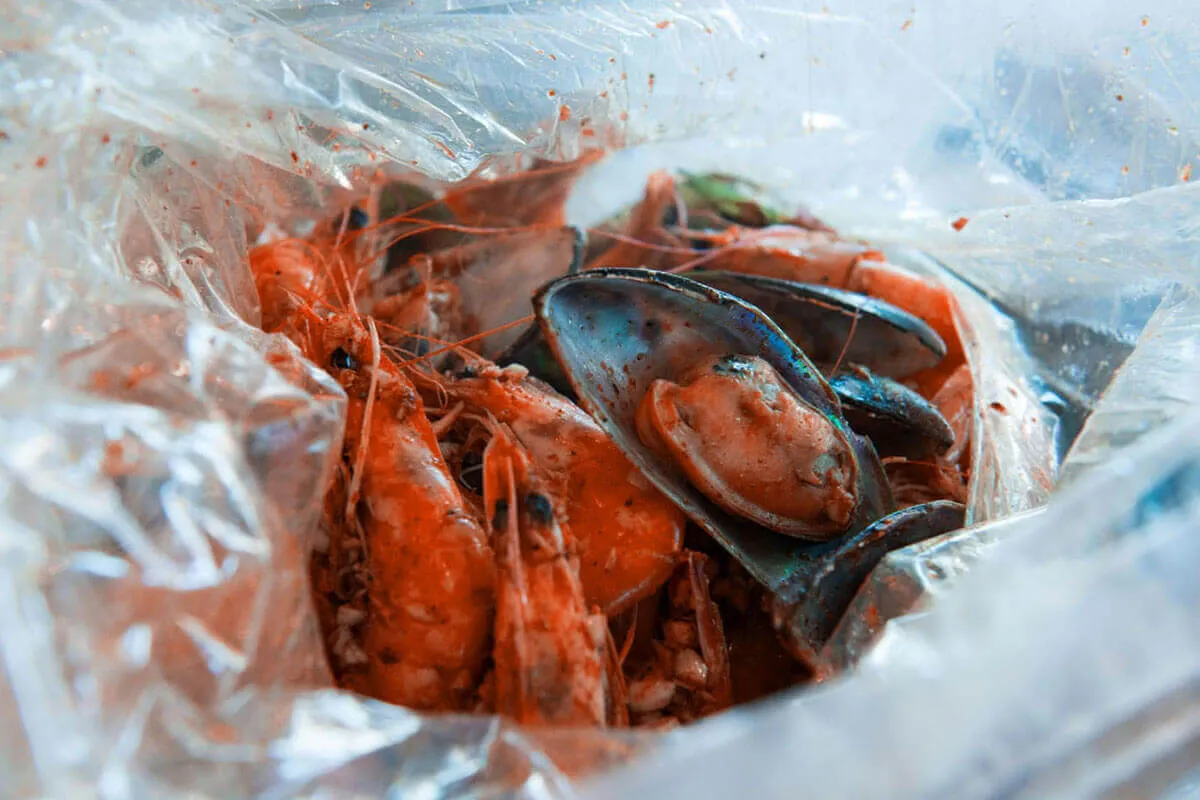
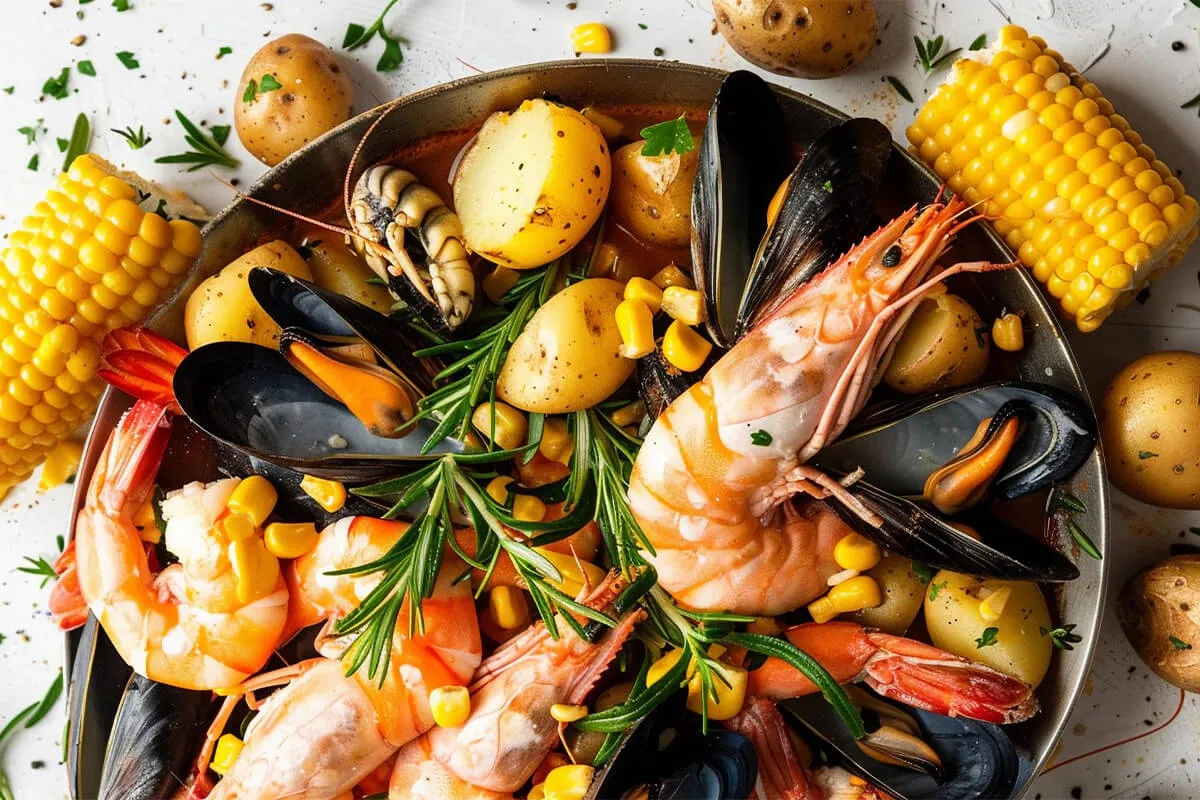
Whether it’s shrimp boil calories or crab boil calories, it’ll be higher than the number of calories we discussed initially for individual seafood. For instance, 70 calories in crab legs rise to 400 to 600 crab boil calories. What adds to seafood boil calories? Potatoes, corn, sausage, butter and spices!
Corn & Red Potatoes
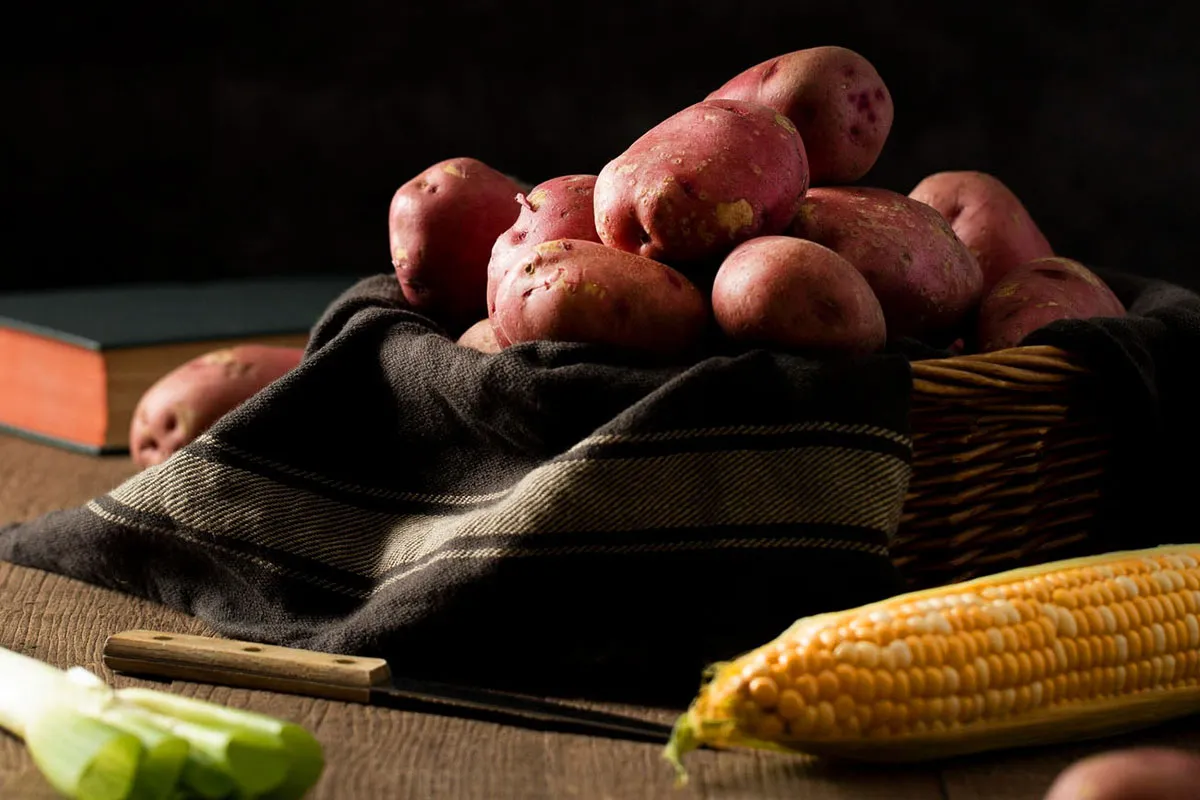
To make a classic seafood boil, you might add corn and red potatoes. It’ll drastically increase calories in a seafood boil bag. For a precise calorie count, consider the following.
A small red potato (2 oz) is 40 to 50 calories.
A half-ear of corn on the cob is 40 to 50 calories.
Even if you’re taking 2 to 3 small red potatoes and 1 half-ear of corn, it’ll be around 150 to 220 calories. Adding to the quantity would raise the calorie count further.
Smoked Sausage
You might’ve gone through shrimp recipes such as shrimp and crab boil, using shrimp, crab legs and smoked sausage. Smoked sausage significantly increases the number of shrimp boil calories. However, the calorie breakdown varies. It depends on the sausage type. Here’s how many calories each type’s standard serving (3 oz or 85 grams) adds:
Beef and pork smoked sausage adds 230 to 250 calories.
Traditional southern sausage makes 200 to 225 calories.
Turkey smoked sausage is 140 to 160 calories.
A restaurant-style seafood boil bag is a bit high in calories as it uses 4 to 6 oz of sausage per portion.
Butter Sauce
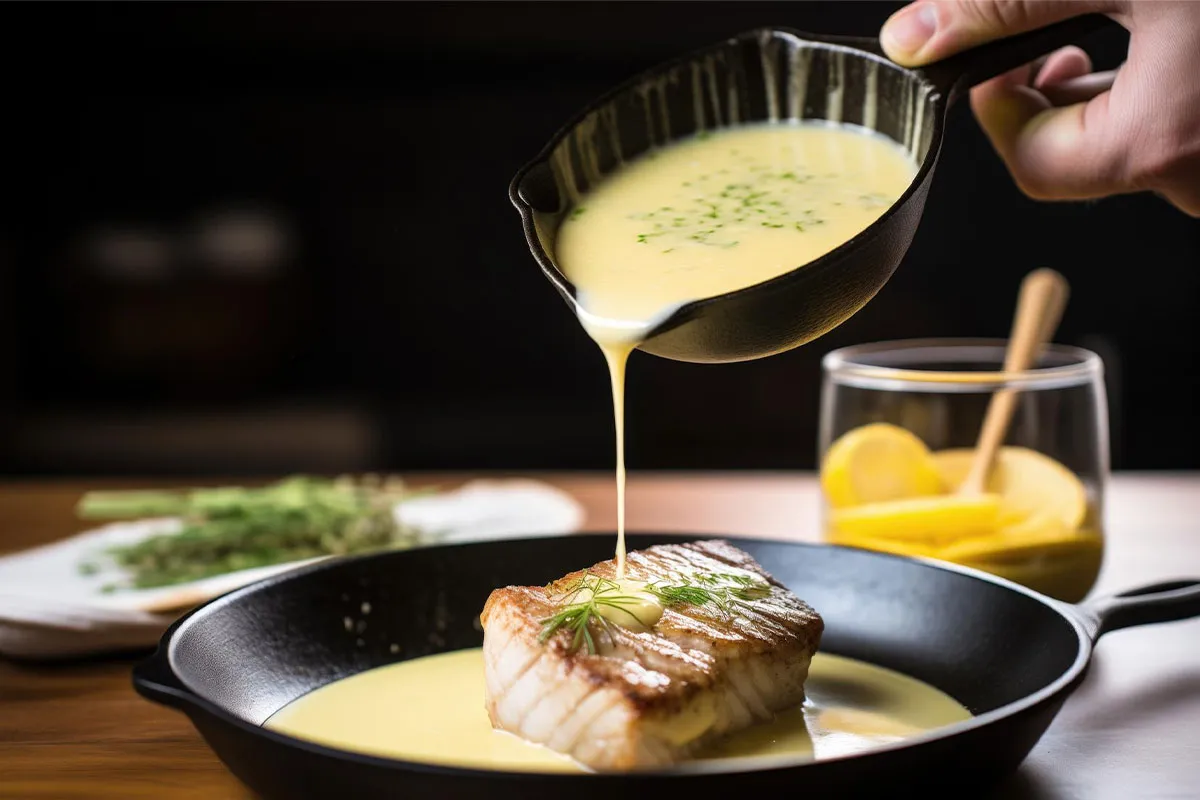
Considering calories in a seafood boil, garlic butter sauce is a major contributor! What adds to butter sauce? Garlic, butter, oil and seasoning. That’s why, even if you add just 1 tbsp of garlic butter sauce to a seafood boil, it’s 102 calories.
In an average serving, 2 tbsp butter sauce is used. That’s 180 to 200 calories. However, if you’re trying any recipes, you might’ve seen 1 full stick of butter in the ingredients list. It makes around 816 calories.
Besides, the heavier the seasoning and butter sauce, the more calories are added. Like, Cajun seafood boil calories (500 to 850 and more) are higher than the classic Old Bay seafood boil (350 to 465 calories). Heavy garlic butter sauces and spices add to Cajun seafood boil calories.
Seafood Boil Carbs, Protein & Nutrition Facts
Besides calories, there’s much more to a seafood boil bag like seafood boil protein, carbs, fats and other seafood boil nutrition facts. Seafood, specifically shellfish, is a source of lean protein, while the other ingredients add to fats, carbs and sodium levels. Here’s more detail on it:
Protein Content
The seafood boil protein depends on the seafood items you choose and portion size. For instance, as per the standard serving (3 oz), shrimp provides 18 to 24 grams of protein, snow crab legs offer 16 to 20 grams, lobster around 16 to 18 grams and sausage adds 6 to 8 grams of protein. Besides the mussel calories, it’s rich in iron and offers about 12 to 18 grams of protein. On average, you can expect 40 to 90 grams of protein in a seafood boil serving.
Carbohydrates
When it comes to seafood boil carbs, a standard serving provides around 2 to 35 grams of carbohydrates. What adds to the seafood boil carbs? Starches like corn, red potatoes and rice or noodles (if added)! Corn on the cob has 16 to 25 grams of carbohydrates, while red potatoes include 15 to 30 grams of carbohydrates. Besides, adding noodles or rice means adding 30 to 45 grams of carbs. The seafood, spices and butter sauce contribute 0 to 2 grams of carbs.
Healthy Fats & Micronutrients
Apart from proteins and carbs, seafood boil nutrition facts include a good number of healthy fats and micronutrients. Wondering whether it applies to every seafood? Not really! If you look at the calories in fish, such as salmon, it’s higher than that of shrimp. Similarly, salmon offers more nutrients than shrimp.
Since every seafood differs in micronutrients and healthy fats, there might not be a specific number. However, seafood boil, including various seafood items and ingredients like butter sauce, vegetables and starches, is a rich source of lean protein, Omega-3 fatty acids and micronutrients such as zinc, vitamin B12, selenium, iodine, iron, potassium and vitamin C.
Is Seafood Boil Healthy?
Yes, it’s healthy!
Seafood boil protein helps you build and repair muscles, feel full longer and support steady blood sugar levels.
Healthy fats like Omega-3 fatty acids lower the risk of heart disease, reduce body inflammation and make your brain sharp.
This highly rich source of minerals and vitamins supports your immune system, cellular repair, and thyroid function.
However, even with a good number of calories, such as calories in fish like salmon, adding heavy butter sauces makes it unhealthy! As high sodium, saturated fats and processed meat come in line with seafood boil nutrition facts, it becomes unhealthy.
Wondering what makes seafood boil high in sodium, saturated fats and processed meat? It’s a large amount of butter, spices, salts, and processed sausages. Besides, the risks can include high blood pressure and calorie count.
How to Build a Healthier Seafood Boil at Red Crab Juicy Seafood?
At Red Crab, guests can build their own healthy seafood boil meal, adjusting seafood boil calories. They can select from a variety of seafood items, choose sauce and seasoning, and adjust the spices to keep the sodium levels low. No matter what options you select, this place serves shareable meals in a fun environment.
frequently asked questions
How many calories are in a seafood boil?
Seafood boil calories vary. It depends on the seafood and other ingredients used in a seafood boil. Considering an average seafood boil, the calories range from 600 to 1500 per serving.
Are shrimp low in calories?
Yes! 3 oz of shrimp has about 84 to 99 calories. Besides, virtually 0 carbs make it an ideal choice for those seeking lean diets.
What makes up the carbs in a seafood boil?
In a seafood boil, carbs usually come from potatoes, corn, sausage, seasoning and butter. At times, seafood can also be a source; however, it may be 1 to 2 grams of carbs.
Which seafood has the highest protein?
Yellowfin Tuna and octopus lead the highest protein seafood category, providing 25 to 30 grams of protein per serving (3 oz, 85 grams).
How many calories are in a Cajun seafood boil?
Cajun seafood boil calories range from 500 to 850 and more. It depends on the butter, sausage, and starchy sides you add.
Can I enjoy a seafood boil while dieting?
Absolutely! You just need to be careful about the ingredients that add to sodium levels, carbs, saturated fat, processed meat and overall seafood boil calories.
Enjoy a Flavorful Seafood Boil without the Guesswork
Whether you’re counting calories or simply looking for a protein-packed seafood feast, Red Crab Juicy Seafood serves fresh seafood boils with customizable ingredients and bold Cajun flavors. Explore your favorite combinations and enjoy a meal that fits your lifestyle.